Jhansi: The Historic Heart of Bundelkhand
Introduction
Jhansi is a city where every street, monument, and fort echoes with stories of courage and sacrifice. Nestled in the heart of the Bundelkhand region of Uttar Pradesh, it is best known as the home of the legendary Rani Lakshmibai, one of India’s greatest freedom fighters. However, Jhansi is much more than its historic legacy. From magnificent forts and royal palaces to peaceful temples, museums, lakes, and vibrant food streets, the city offers a perfect blend of history, culture, spirituality, and modern hospitality.
Whether you’re planning a weekend getaway, a heritage tour, or simply looking to explore one of India’s most iconic historical destinations, Jhansi promises an experience that leaves a lasting impression. Rich in architecture, traditions, and local flavours, the city continues to preserve its glorious past while steadily embracing the future.
My Personal Experience
Having visited Jhansi multiple times, I can confidently say that it is one of the most fascinating cities in North India. Every visit has offered something new—whether it was exploring the majestic Jhansi Fort, admiring the beautiful architecture of Rani Mahal, visiting its peaceful temples, or simply enjoying the city’s welcoming atmosphere.
One of my favourite parts of every trip is discovering Jhansi’s food culture. From the famous Dau Ke Samose and Narayan Chaat Bhandar to memorable meals at Moti Mahal, Lazeez, MiCasa, and Molecule, the city never disappoints food lovers.
What makes Jhansi truly special is how history blends seamlessly with everyday life. You can spend your morning walking through monuments that witnessed India’s First War of Independence, enjoy authentic Bundelkhand cuisine in the afternoon, and end your day watching the sunset from the magnificent Jhansi Fort overlooking the city.
For me, Jhansi is not just another tourist destination—it’s a city filled with pride, heritage, unforgettable memories, and timeless stories that deserve to be experienced firsthand.
Best Time to Visit Jhansi
The best time to visit Jhansi is between October and March, when the weather is cool and pleasant for sightseeing. Winter temperatures range from 10°C to 28°C, making it ideal for exploring forts, museums, temples, gardens, and local markets.
The monsoon season (July–September) adds greenery to the region, while summers (April–June) can be extremely hot, with temperatures often crossing 45°C.
Best Places to Visit in Jhansi
1. Jhansi Fort (Rani Lakshmibai Fort)
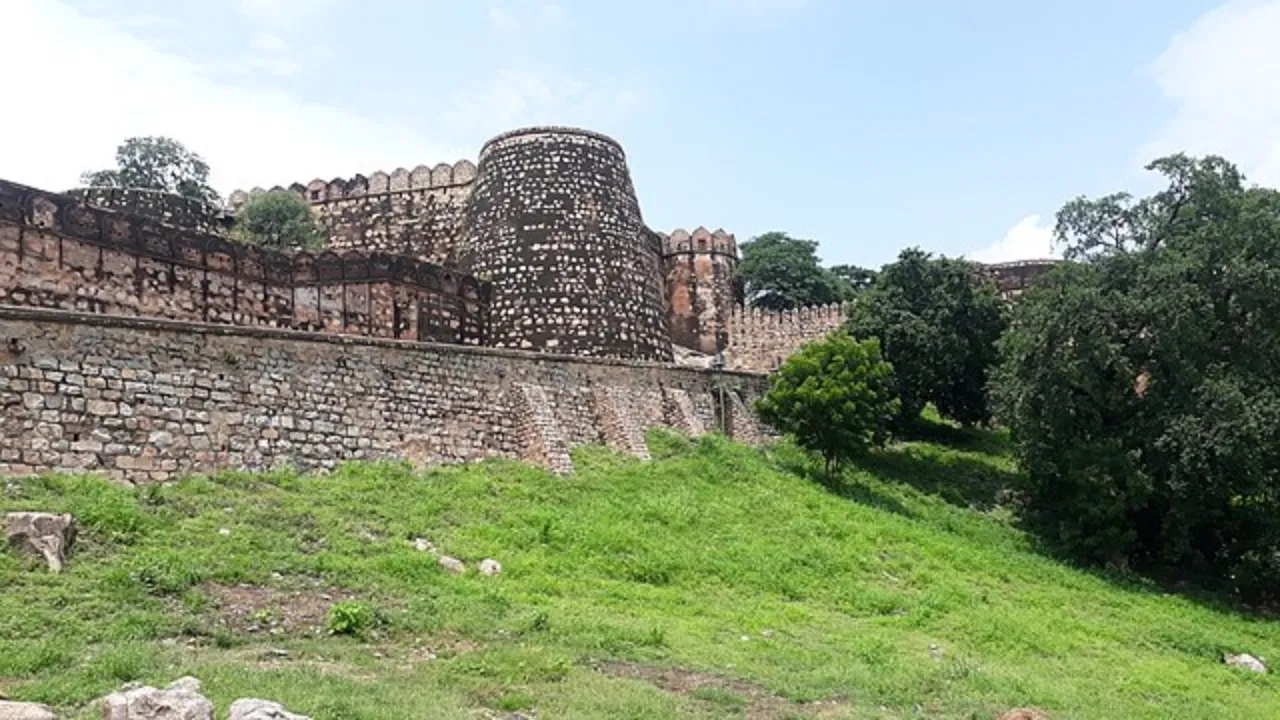
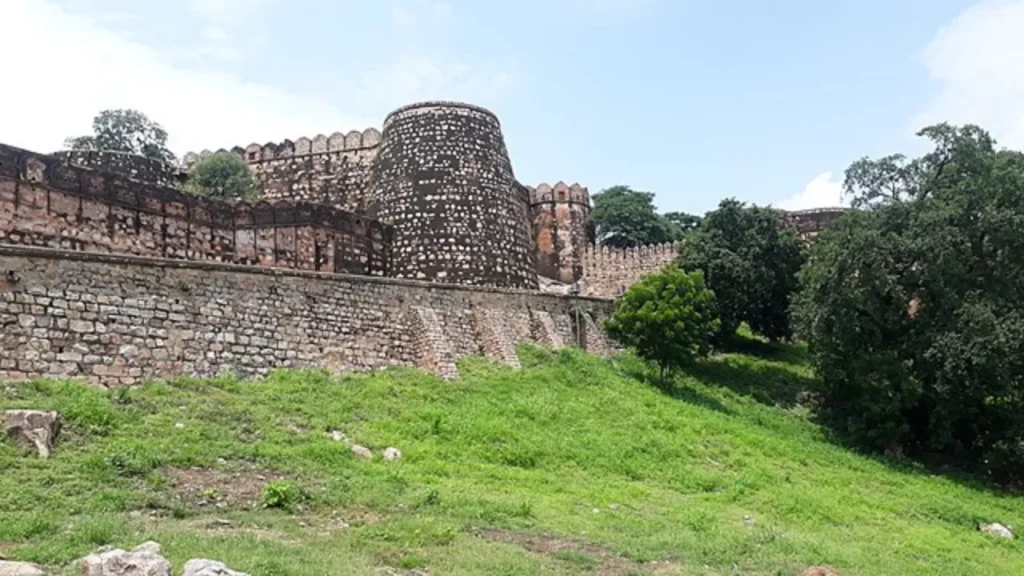
The crown jewel of Jhansi, Jhansi Fort, stands proudly on Bangira Hill and remains one of India’s most iconic historical monuments. Built in the early 17th century by Raja Bir Singh Deo, the fort later became the stronghold of Rani Lakshmibai during the Revolt of 1857.
Walk through its massive gates, ancient cannons, temples, and watchtowers while enjoying breathtaking panoramic views of the city. Don’t miss the famous point from where Rani Lakshmibai is believed to have escaped on horseback with her adopted son tied to her back.
Highlights
Historic 1857 battlefield
Ancient cannons
Spectacular city views
Light & Sound Show (seasonal)
2. Rani Mahal
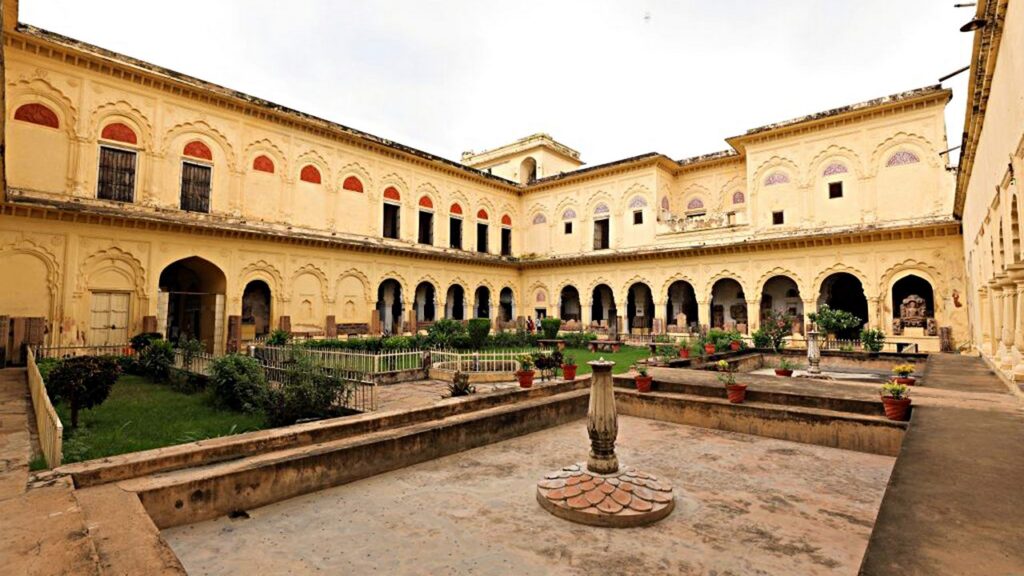
Once the royal residence of Rani Lakshmibai, Rani Mahal is an architectural masterpiece featuring colourful murals, intricate carvings, elegant courtyards, and beautifully designed arches. Today, it serves as an archaeological museum showcasing sculptures dating back to the 9th–12th centuries.
3. Jhansi Government Museum
One of Uttar Pradesh’s finest museums, the Jhansi Government Museum houses an impressive collection of sculptures, paintings, coins, manuscripts, weapons, and archaeological treasures from the Chandela, Gupta, and Bundela dynasties. It also features dedicated galleries highlighting the life and legacy of Rani Lakshmibai.
4. St. Jude’s Shrine
One of North India’s most important Christian pilgrimage sites, St. Jude’s Shrine attracts thousands of visitors throughout the year. The peaceful surroundings and beautiful architecture make it a must-visit destination for both pilgrims and tourists.
5. Cenotaphs of Raja Gangadhar Rao
Dedicated to Maharaja Gangadhar Rao, the husband of Rani Lakshmibai, these elegant cenotaphs reflect the architectural beauty of the Bundela era and provide visitors with insight into Jhansi’s royal heritage.
6. Shri Ganesh Temple
A popular temple dedicated to Lord Ganesha, this sacred site welcomes devotees throughout the year, especially during Ganesh Chaturthi.
Shri Ganesh Temple in Jhansi is one of the city’s most historically and spiritually significant landmarks, closely associated with the legacy of Rani Laxmibai. Built in the 1760s in Ganesh Bazaar, the temple is renowned as the site where Raja Gangadhar Rao married Manikarnika Tambe in 1842, after which she became known as the legendary Rani Laxmibai. The temple continues to attract devotees seeking the blessings of Lord Ganesha, the deity of wisdom, prosperity, and new beginnings. Adding to its royal heritage, an ancient Ganesh shrine inside the Jhansi Fort once served as the private place of worship for the queen and her royal ancestors. The temple remains a vibrant center of faith, especially during Ganesh Chaturthi, when thousands of devotees gather to celebrate with prayers and traditional festivities.
7. Maha Lakshmi Temple
Dedicated to Goddess Lakshmi, this temple is among the city’s most revered religious destinations. It becomes especially vibrant during Navratri and Diwali celebrations.
8. Garhmau Lake
Located just outside the city, Garhmau Lake offers a peaceful escape surrounded by nature. It’s a wonderful place for picnics, photography, birdwatching, and enjoying beautiful sunsets.
Garhmau Lake is a peaceful natural retreat on the outskirts of Jhansi, offering visitors a refreshing escape from the city’s busy streets. Surrounded by greenery and open landscapes, the lake is an ideal destination for nature lovers, photographers, and families looking to relax in a calm environment. Its tranquil atmosphere, especially during sunrise and sunset, makes it one of the most scenic spots in the region and a perfect place to unwind while experiencing the natural beauty of Jhansi.
9. Sakhi Ke Hanuman Ji Temple
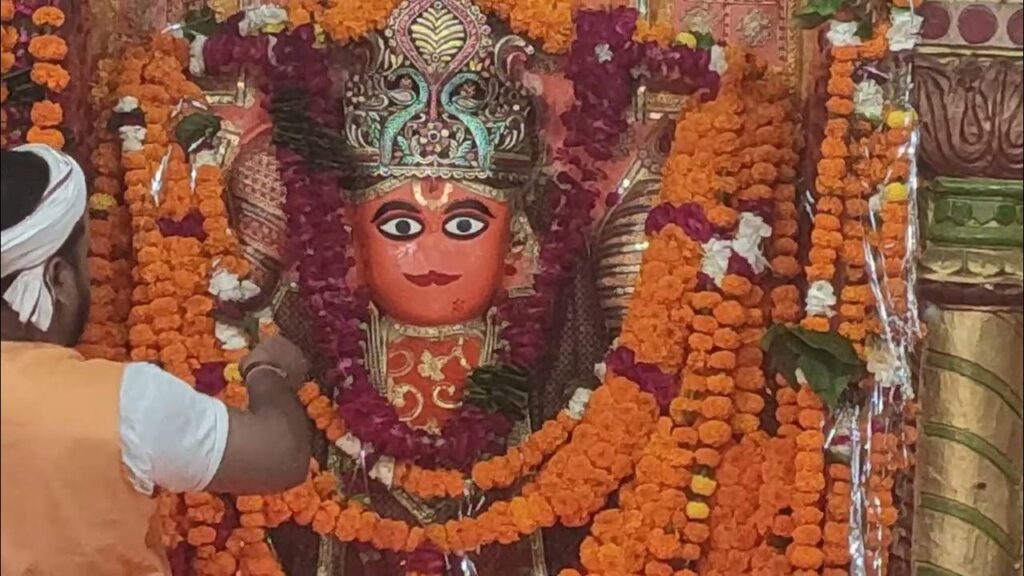
One of Jhansi’s most visited Hanuman temples, this spiritual destination attracts devotees seeking blessings for strength, peace, and prosperity.
Sakhi Ke Hanuman Ji Temple is one of Jhansi’s most unique and revered religious sites, located on Gwalior Road. The temple is famous for housing a 500-year-old idol of Lord Hanuman worshipped in a rare female or companion (sakhi) form, making it one of the few temples in India dedicated to this extraordinary manifestation. Devotees visit throughout the year—especially on Tuesdays and Saturdays—to seek blessings for strength, protection, and prosperity. With its peaceful atmosphere, rich spiritual heritage, and distinctive religious significance, Sakhi Ke Hanuman Ji Temple offers visitors a truly memorable glimpse into Jhansi’s cultural and devotional traditions.
Best Places to Eat in Jhansi
No trip to Jhansi is complete without exploring its vibrant food scene.
Narayan Chaat Bhandar
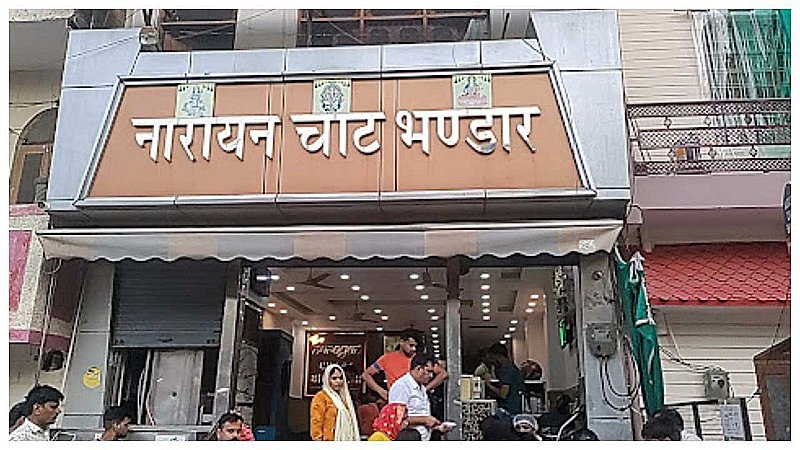
One of Jhansi’s most iconic street food destinations, famous for its delicious tikki, pani puri, dahi bhalla, and authentic Bundelkhand-style chaat.
Jhansi Hotel Lazeez
A favourite among locals for its rich North Indian, Mughlai, and vegetarian dishes served in a family-friendly atmosphere.
Dau Ke Samose
Perhaps the city’s most famous snack destination, Dau Ke Samose has earned a loyal following for its perfectly crispy samosas and flavourful fillings.
Chulewala
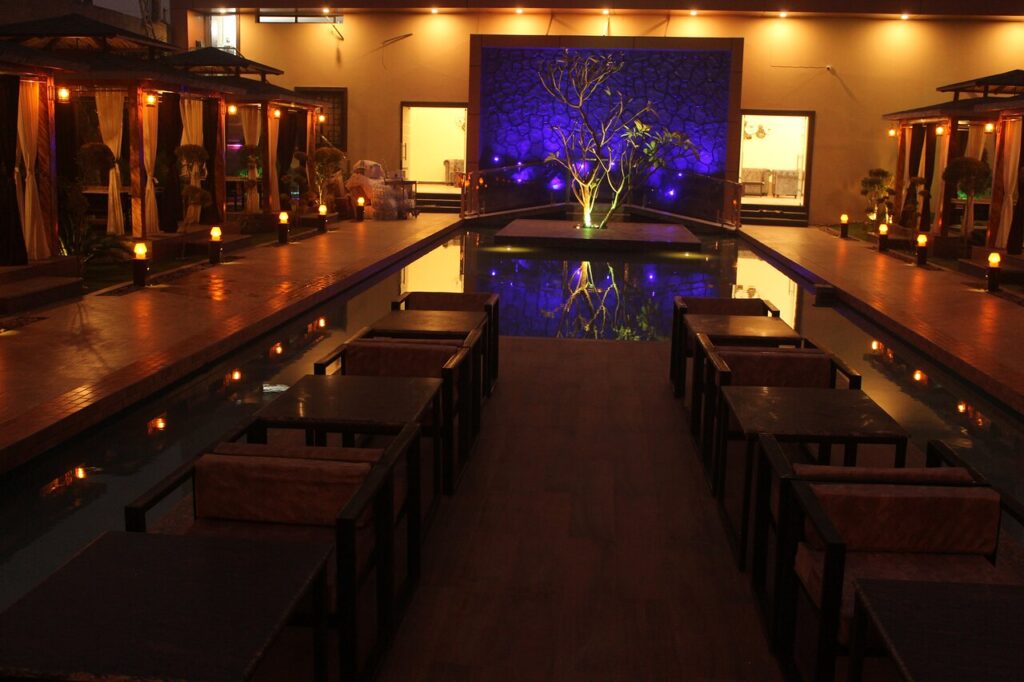
Known for serving authentic North Indian cuisine with traditional flavours, Chulewala is a great choice for lunch or dinner.
Molecule Air Bar
A modern rooftop restaurant offering Indian, Chinese, Continental, and fusion cuisine alongside a lively ambience and beautiful city views.
Moti Mahal Deluxe
A well-known restaurant famous for its rich North Indian curries, kebabs, tandoori dishes, and vegetarian specialities.
MiCasa
A stylish café serving pizzas, pasta, burgers, desserts, coffee, and continental favourites, making it one of the city’s most popular hangout spots.
Shopping in Jhansi
Jhansi’s local markets are perfect for picking up souvenirs and traditional products.
Popular items include:
Bundelkhand handicrafts
Brass and metal artefacts
Traditional textiles
Religious souvenirs
Handmade decorative items
Local sweets and snacks
How to Reach Jhansi
By Air
The nearest major airport is Gwalior Airport, approximately 100 km away. Jhansi also has a newly developed airport that is expected to further improve regional connectivity.
By Train
Virangana Lakshmibai Jhansi Junction is one of North India’s busiest railway stations, offering excellent connectivity to Delhi, Mumbai, Kolkata, Chennai, Bengaluru, Hyderabad, Lucknow, Varanasi, and many other major cities.
By Road
Jhansi is well connected through national highways, making it easily accessible by road from Delhi, Agra, Gwalior, Kanpur, Lucknow, Bhopal, and other nearby cities.
Why You Should Visit Jhansi
Jhansi is far more than a city of monuments—it’s a living symbol of courage, sacrifice, and India’s enduring spirit. Every fort wall, palace, temple, and museum tells a story that has shaped the nation’s history.
Combined with warm hospitality, delicious Bundelkhand cuisine, spiritual landmarks, beautiful architecture, and improving tourism infrastructure, Jhansi offers an unforgettable travel experience for visitors of all ages.
Whether you’re retracing the footsteps of Rani Lakshmibai, exploring centuries-old heritage sites, seeking spiritual peace, enjoying local street food, or discovering the cultural richness of Bundelkhand, Jhansi promises memories that will stay with you long after your journey ends.
If you’re planning a trip through Uttar Pradesh or Central India, Jhansi deserves far more than a brief stop—it deserves to be experienced, explored, and remembered as one of India’s greatest historic cities.