Varanasi: A Journey Through the Soul of India
Introduction
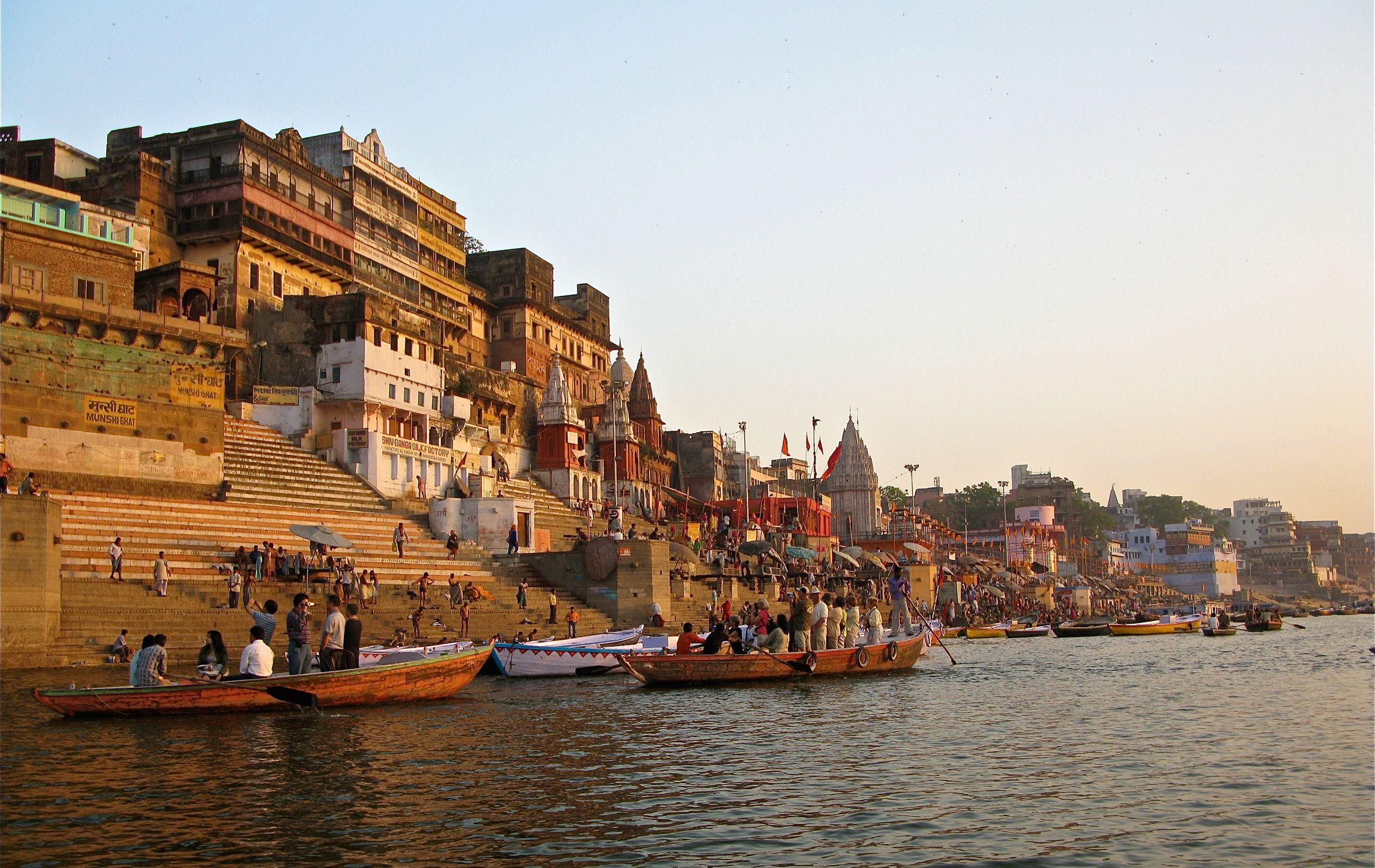
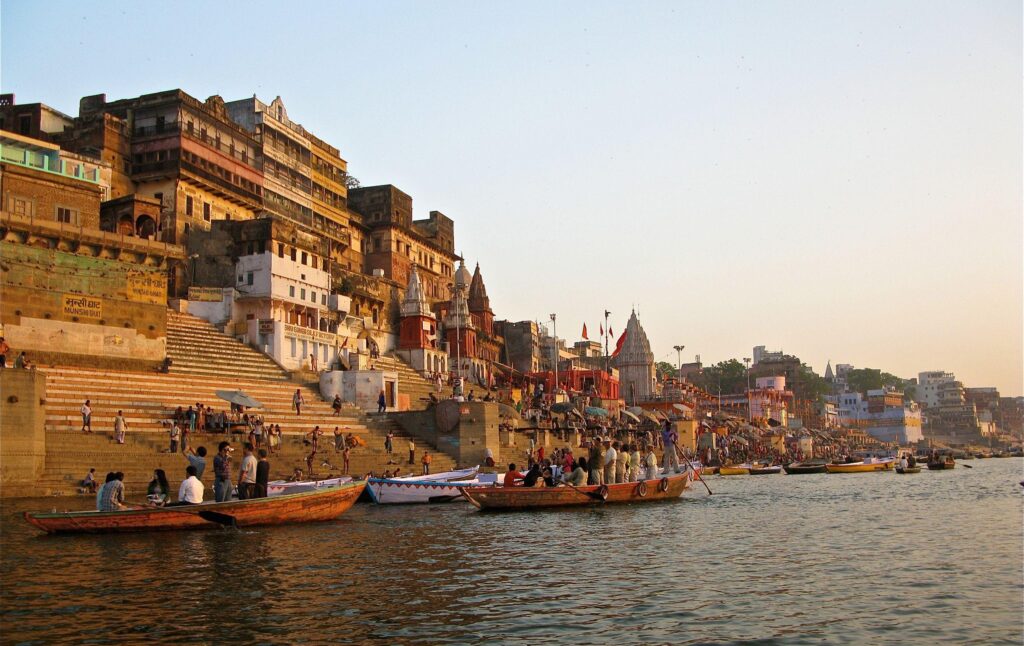
As the first rays of sunlight illuminate the ghats of Varanasi and the sound of temple bells fills the air, the city awakens in a way unlike anywhere else in the world. One of the oldest continuously inhabited cities on Earth, Varanasi is a place where spirituality, history, culture, and everyday life come together on the banks of the sacred Ganges River.
Varanasi, often referred to as the Spiritual Heart of India, is one of the world’s oldest living cities and a place of immense religious and cultural significance. Known traditionally as Kashi, the city is believed to be the sacred abode of Lord Shiva and holds a special place in the hearts of millions of devotees. Every corner of Varanasi carries the divine presence of Lord Shiva, giving the city an atmosphere unlike anywhere else in the world. It is often said that reaching Varanasi may be easy, but leaving its timeless charm, spiritual energy, and profound sense of connection is far more difficult. Whether you arrive as a pilgrim, a history enthusiast, or a curious traveler, Varanasi has a remarkable way of leaving a lasting impression on everyone who visits.
Why Varanasi Should Be on Every Traveler’s Bucket List
Varanasi is not just a destination, it is an experience that captures the true essence of India’s spirituality, culture, and rich history. Situated on the banks of the sacred Ganges River, the city offers a unique blend of ancient traditions and everyday life that no other place in the world could match. From centuries-old temples and bustling ghats to vibrant markets and mouthwatering local cuisine, every corner of Varanasi tells a story.
One of the city’s greatest attractions is its surreal spiritual atmosphere. Visitors can witness the mesmerizing Ganga Aarti, take a sunrise or sunset boat ride along the holy Ganga river, or simply wander through Varanasi’s famous narrow lanes, known locally as its iconic galiyan, which have remained largely unchanged for generations. These winding alleyways are filled with ancient temples, hidden shrines, traditional shops, and the everyday rhythms of local life, offering a glimpse into the city’s timeless character. Varanasi provides a rare opportunity to observe rituals, traditions, and beliefs that have been practiced for thousands of years.
Beyond its religious significance, Varanasi is a paradise for photographers, history lovers, archaeologists and cultural explorers. The beautiful ghats of Ganges, architectural landmarks, centuries-old temples, traditional banarasi silk-weaving heritage, and vibrant street scenes create unforgettable memories at every turn.
Exploring the city’s bustling galiyan/ alleys is an experience in itself, where every turn reveals a new story, a sacred shrine, or the aroma of freshly prepared local delicacies. Whether you’re seeking spiritual enlightenment, cultural immersion, or a deeper understanding of India’s rich heritage, Varanasi offers an experience unlike any other.
A visit to Varanasi is more than a journey to a city—it’s a journey into the heart and soul of India.
The History and Legacy of Varanasi
Varanasi is widely regarded as one of the oldest continuously inhabited cities in the world, with a history that stretches back thousands of years. Over the centuries, it has served as a center of spirituality, learning, culture, and philosophy, attracting pilgrims, scholars, and travelers from across the globe.
At the heart of Varanasi’s identity is its deep connection to Lord Shiva. According to Hindu beliefs, the city, traditionally known as Kashi, is the sacred abode of Lord Shiva. Devotees believe that his divine presence permeates every corner of the city, making it one of the holiest places in Hinduism. The revered Kashi Vishwanath Temple stands as a symbol of this spiritual bond and draws millions of worshippers each year.
Varanasi also holds immense importance in Buddhism. Just a short distance from the city lies Sarnath, the place where Lord Buddha delivered his first sermon after attaining enlightenment. Known as the “Dhammacakkappavattana Sutta” or the Turning of the Wheel of Dharma, this sermon marked the beginning of Buddhism’s journey across the world. Today, Sarnath remains one of the most significant pilgrimage sites for Buddhists.
Beyond its religious heritage, Varanasi has long been a center of art, music, literature, and education. The city is famous for its Banarasi silk sarees, whose intricate craftsmanship has been celebrated for generations. It is also known for its contribution to classical Indian music, having produced legendary musicians and artists who helped shape India’s cultural landscape.
The city’s iconic ghats, ancient temples, bustling markets, and timeless alleyways tell the story of a civilization that has endured through centuries of change. Despite its modern developments, Varanasi continues to preserve traditions and customs that have been passed down through countless generations.
Today, Varanasi stands as a living testament to India’s rich heritage—a city where history, spirituality, culture, and daily life come together in a way that few places on Earth can match.
Best Time to Visit Varanasi
Varanasi is a city that can be visited throughout the year, but the experience changes dramatically with the seasons. Choosing the right time to visit can help you make the most of everything this ancient city has to offer, from peaceful boat rides on the Ganges to vibrant cultural celebrations.
The best time to visit Varanasi is between October and March, when the weather is pleasant and comfortable for sightseeing. During these months, temperatures remain moderate, making it easier to explore the city’s famous ghats, temples, markets, and historic lanes on foot. The cool winter mornings are particularly magical, as a light mist often rises over the Ganges while the city slowly awakens to the sound of temple bells and devotional chants.
Summer, which lasts from April to June, can be quite hot, with temperatures frequently exceeding 40°C. While tourist crowds are generally smaller during this period, outdoor exploration can become challenging during the daytime. The monsoon season from July to September brings refreshing rains that transform the city’s atmosphere, though occasional waterlogging and high river levels may affect travel plans.
Varanasi truly comes alive during its festivals, offering visitors a chance to witness the city’s spiritual and cultural traditions at their finest.
One of the most spectacular events is Dev Deepawali, celebrated a few weeks after Diwali. On this evening, thousands of earthen lamps illuminate the ghats of the Ganges, creating one of the most breathtaking sights in India.
Mahashivratri is another major celebration, as devotees honor Lord Shiva, the city’s presiding deity. Processions, prayers, and temple ceremonies fill the streets with energy and devotion.
Visitors may also experience Ganga Mahotsav, a cultural festival featuring music, dance, art, and performances that showcase the rich heritage of Varanasi. During Diwali, the city glows with lights and festive spirit, while Makar Sankranti offers the chance to witness traditional rituals along the riverbanks.
Whether you visit during a grand festival or on a quiet winter morning, Varanasi has a unique ability to leave a lasting impression. Every season reveals a different side of the city, ensuring that no two visits ever feel quite the same.
How to Reach Varanasi
As one of India’s most visited spiritual and cultural destinations, Varanasi is well connected to major cities across the country. Whether you prefer the convenience of air travel, the charm of a train journey, or the flexibility of a road trip, reaching the ancient city is easier than ever.

By Air
For travelers coming from distant parts of India or abroad, flying is the quickest way to reach Varanasi. The city is served by Lal Bahadur Shastri International Airport, located approximately 25 kilometers from the city center. The airport offers regular flights connecting Varanasi with major Indian cities such as Delhi, Mumbai, Bengaluru, Kolkata, and Hyderabad. Upon arrival, taxis, app-based cabs, and local transport options are readily available to take visitors into the heart of the city.
By Train
Traveling to Varanasi by train is an experience in itself and remains one of the most popular options for visitors. The city is connected to nearly every major region of India through an extensive railway network. Key stations include Varanasi Junction Railway Station and Banaras Railway Station. Whether you’re traveling from Delhi, Kolkata, Mumbai, Lucknow, or other major cities, numerous express and superfast trains make the journey convenient and affordable.
By Bus
Budget-conscious travelers can reach Varanasi through a network of government and private buses operating from nearby cities and states. Regular services connect Varanasi with destinations such as Prayagraj, Lucknow, Patna, and Gorakhpur. While bus travel may take longer than flying or taking the train, it offers an economical way to reach the city and enjoy the changing landscapes along the route.
By Car
For those who enjoy road trips, driving to Varanasi can be a rewarding experience. The city is connected through a network of national highways, making it accessible from several major destinations across North India. A road journey allows travelers to explore small towns, countryside scenery, and local culture along the way. Whether you’re driving your own vehicle or hiring a cab, a trip to Varanasi by road offers the freedom to travel at your own pace and discover hidden gems beyond the usual tourist trail.
No matter how you choose to travel, the journey to Varanasi is often the beginning of an unforgettable experience. As the city’s temples, ghats, and winding lanes come into view, visitors quickly realize why this ancient destination continues to captivate travelers from around the world.
Where to Stay in Varanasi
Whether you’re a backpacker on a budget, a family seeking comfort, or a luxury traveler looking for a memorable stay, Varanasi offers accommodation options for every style and budget. From heritage mansions overlooking the Ganges to modern hotels equipped with contemporary amenities, choosing the right place to stay can greatly enhance your experience in the city.
Budget-Friendly Hotels
Alka Hotel – Located near the ghats and close to the Ganges. Great choice for travelers who want to stay in the heart of old Varanasi. Budget-friendly rooms with easy access to major attractions.
Ganpati Guest House – Popular among international and domestic travelers.Known for its rooftop views and proximity to the river. Ideal for backpackers and culture enthusiasts.
Hotel Prabhat – Convenient location near the railway station. Suitable for families and travelers looking for comfortable accommodations without spending too much.
Hotel Vishwanath Inn – Centrally located with easy access to temples and markets.Offers a good balance of affordability and comfort.
Ganga Guest House – Budget-friendly stay close to the ghats. A good option for travelers who want an authentic Banaras experience.
Mid – Range Hotels
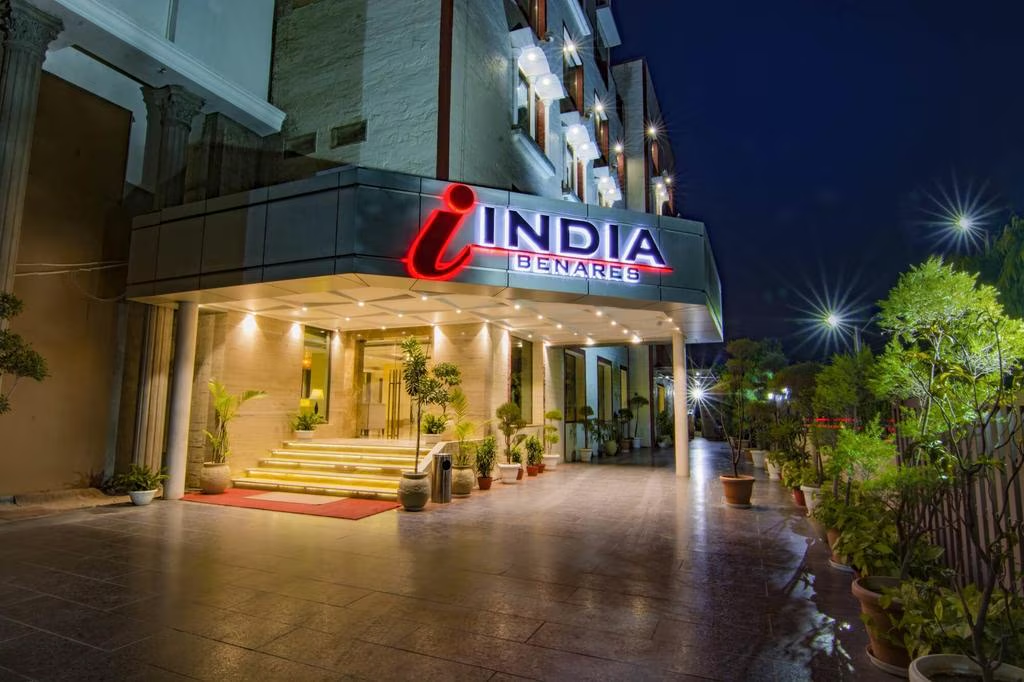
The India Benares – Modern rooms, excellent service, and convenient access to major attractions. Ideal for families and leisure travelers.
Palace on Ganges – A charming riverside property offering traditional Banarasi aesthetics and beautiful Ganges views. Perfect for travelers seeking a cultural experience.
Pearl Courtyard – Comfortable accommodations with modern amenities and a central location. Great value for money.
Hotel Madin – One of the city’s most popular upscale mid-range hotels. Features spacious rooms, multiple dining options, and excellent hospitality.
Arcadia Hotel – Contemporary property offering comfortable rooms and quality facilities. Suitable for both business and leisure travelers.
Luxury Hotels
Taj Ganges – One of the city’s most iconic luxury hotels. Set amidst lush gardens with premium amenities and exceptional hospitality.
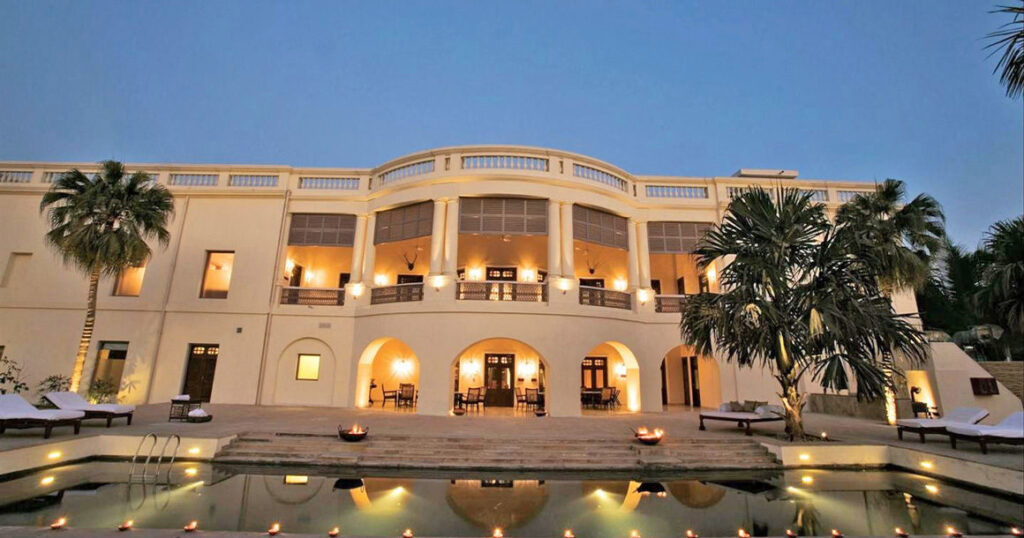
BrijRama Palace – A beautifully restored heritage palace located directly on the ghats. Offers a unique blend of royal elegance, history, and stunning river views.
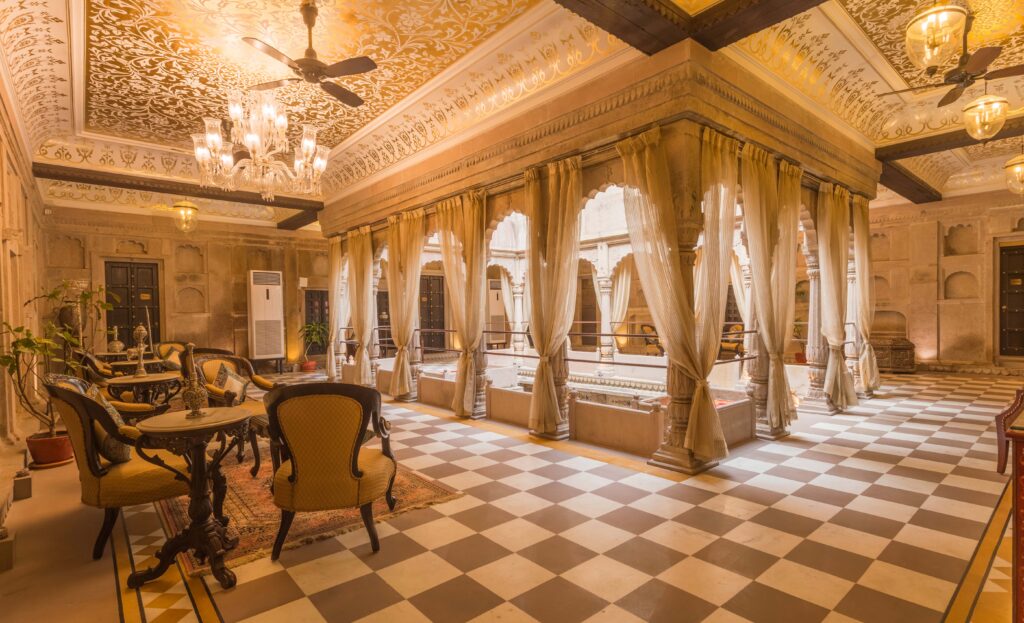
Taj Nadesar Palace – An ultra-luxury heritage property that once hosted royalty and dignitaries. Known for personalized service and grand architecture.
Radisson Hotel Varanasi – A modern luxury hotel featuring spacious rooms, fine dining, and premium facilities. Popular among both leisure and business travelers.
Ramada Plaza by Wyndham JHV Varanasi – Offers contemporary luxury with resort-style amenities. Ideal for travelers seeking comfort and convenience.
The area around the ghats is ideal for travelers who want to be close to the spiritual heart of Varanasi and experience the city’s vibrant atmosphere firsthand. Those seeking a quieter stay may prefer accommodations in newer parts of the city, where modern infrastructure and easier transportation options are available.
No matter where you choose to stay, waking up in Varanasi is an experience in itself. The sound of temple bells, the sight of pilgrims gathering along the Ganges, and the city’s timeless energy ensure that your stay becomes an unforgettable part of your journey.
Places to Visit in Varanasi
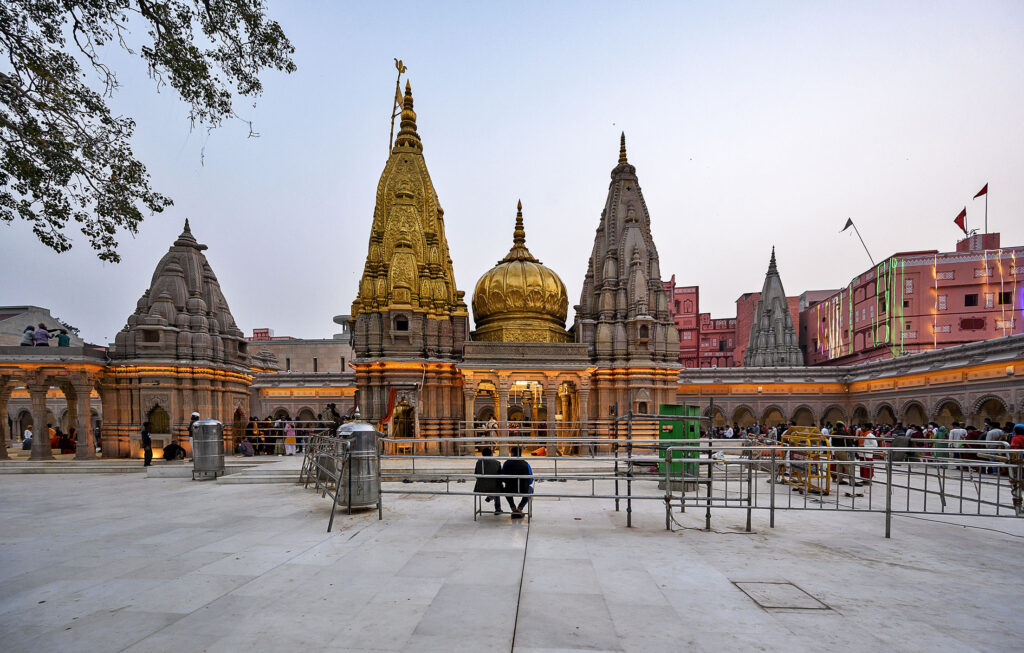
1. Kashi Vishwanath Temple – One of the most revered Hindu temples dedicated to Lord Shiva, Kashi Vishwanath Temple is considered one of the twelve sacred Jyotirlingas in India. Located in the heart of Varanasi, it attracts millions of pilgrims and visitors each year who come to seek blessings and experience the deep spiritual significance of one of Hinduism’s holiest shrines.
2. Kaal Bhairav Temple – Dedicated to Kal Bhairav, the guardian deity of Varanasi, this temple holds immense religious significance. Devotees believe that seeking his blessings is an important part of a pilgrimage to the city. The temple’s ancient traditions and spiritual atmosphere attract worshippers throughout the year. It is believed that visiting Kashi Vishwanath is traditionally considered incomplete without visiting Kaal Bhairav.
3. Dashashwamedh Ghat – It is the most famous ghat in Varanasi and a major center of religious activity. It is best known for the spectacular Ganga Aarti held every evening on the banks of the Ganges. The combination of chanting, lamps, and devotional rituals creates an unforgettable spiritual experience. A visit here offers a true glimpse into the soul of Varanasi.
4. Assi Ghat – It is a popular gathering spot known for its peaceful atmosphere and stunning sunrise views. Visitors can enjoy yoga sessions, cultural performances, and boat rides along the river. The ghat is especially popular among students, travelers, and spiritual seekers. It offers a perfect blend of spirituality, culture, and local life.
5. Sankat Mochan Hanuman Temple – It is a beloved place of worship dedicated to Lord Hanuman. Established by Goswami Tulsidas, it is known for its peaceful surroundings and strong devotional energy. Devotees visit the temple seeking protection and relief from life’s challenges. It is one of the most important religious landmarks in Varanasi.
6. Tulsi Manas Temple – It is believed to stand on the site where Goswami Tulsidas composed the Ramcharitmanas. Built from white marble, the temple features verses from the epic inscribed on its walls. Its serene environment and religious significance make it a popular destination for devotees and tourists alike. The temple offers a peaceful retreat amid the city’s vibrant energy.
7. Banaras Hindu University – It is one of India’s most prestigious educational institutions and a landmark in Varanasi. Founded in 1916, the sprawling campus is known for its greenery, impressive architecture, and cultural significance. It is also home to the New Vishwanath Temple, which attracts visitors year-round. The university reflects the city’s blend of tradition, learning, and spirituality.
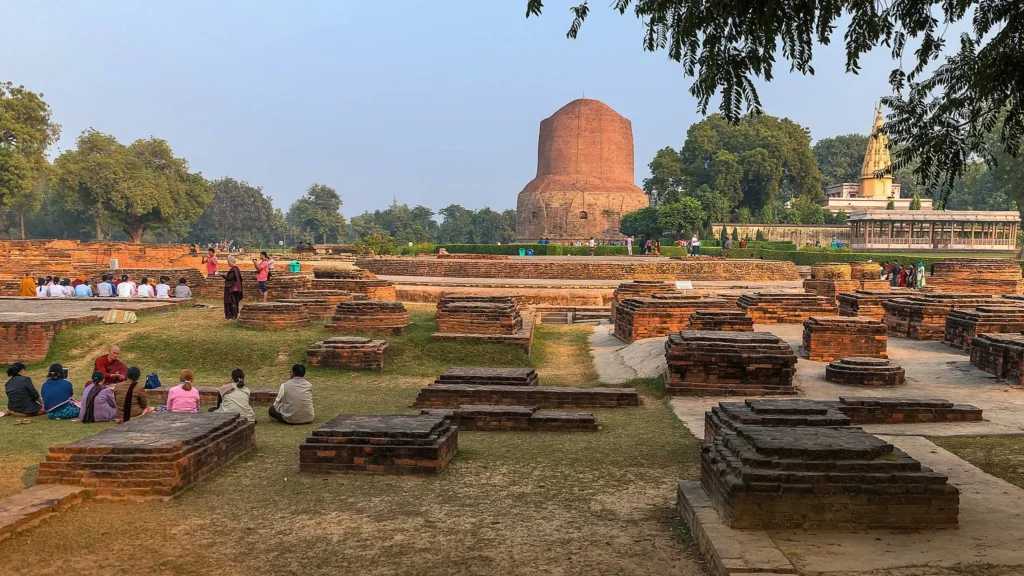
8. Sarnath – It is one of the holiest Buddhist sites in the world, where Lord Buddha delivered his first sermon after enlightenment. The area is home to ancient stupas, monasteries, and archaeological remains that reflect its rich history. Its peaceful surroundings make it an ideal destination for both spiritual seekers and history enthusiasts. Sarnath remains an essential stop on any Varanasi itinerary.
9. Manikarnika Ghat – One of the oldest and most significant cremation ghats in India. It reflects Varanasi’s unique spiritual beliefs about life, death, and liberation, making it a place of profound cultural importance. A popular local legend associated with Manikarnika Ghat says that after Goddess Parvati’s jeweled earring (Manikarnika) went missing, Lord Shiva asked everyone present to search for it. Despite extensive searching, the earring was never found. According to the folklore, Goddess Parvati then declared that the earring would remain hidden forever and blessed the site with immense spiritual power. Some versions of the story add that she decreed the sacred funeral fires at Manikarnika would never be extinguished, ensuring that the ghat would remain an eternal place of cremation and liberation (moksha).
10. Bharat Mata Temple – A unique and only temple dedicated to Mother India rather than any deity. Its main attraction is a large marble relief map depicting the geography of India.
11. Ganga River Boat Ride – A beautiful boat ride on the Ganges is one of the best ways to experience Varanasi. It offers breathtaking views of ghats, temples, daily rituals that defines the city’s timeless charm.
Must Have Experiences in Varanasi
1. River Cruise on Ganges – One of the newest and most luxurious ways to explore Varanasi is aboard the Alaknanda Cruise. This modern river cruise offers a comfortable journey along the Ganges, allowing visitors to admire the city’s iconic ghats, temples, and historic landmarks from the water. Available for sunrise, daytime, and evening trips, the cruise provides stunning views of the Ganga Aarti, making it a memorable experience for travelers seeking a unique perspective of Varanasi.
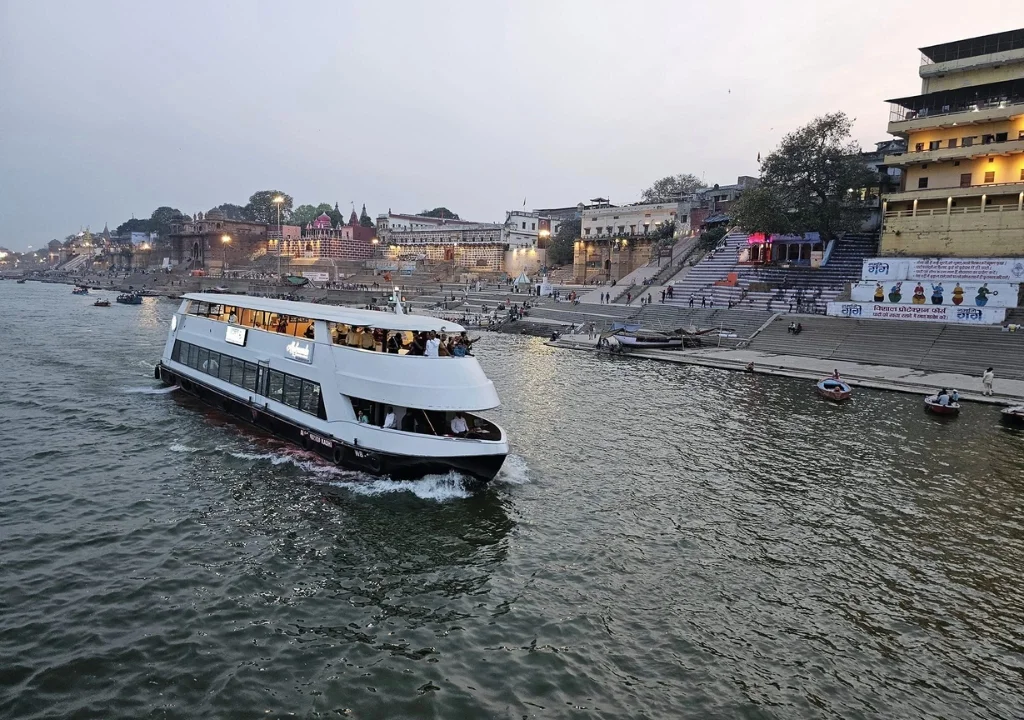
2. Witness the Ganga Aarti at Dashashwamedh Ghat – Watch priests perform a mesmerizing evening ritual with lamps, chants, and incense along the banks of the Ganges.
3. Experience Dev Deepawali or Other Festivals – If visiting during festival season, witness the city illuminated with thousands of diyas and vibrant celebrations.
4. Explore Namo Ghat – Visit Varanasi’s newly inaugurated modern riverfront attraction featuring open air seating, cultural spaces, cycling tracks, and beautiful views of the Ganges.
5. Watch Traditional Clay Lamp Makers at Work – Step into the artisan neighborhoods of Varanasi and witness skilled craftsmen shaping clay into traditional diyas by hand. These lamps are used in temples, homes, and major festivals such as Dev Deepawali and Diwali. Watching the entire process—from molding and drying to firing the clay—offers a fascinating glimpse into a centuries-old craft that continues to illuminate the spiritual heart of the city.
The Ultimate Food Trail of Varanasi
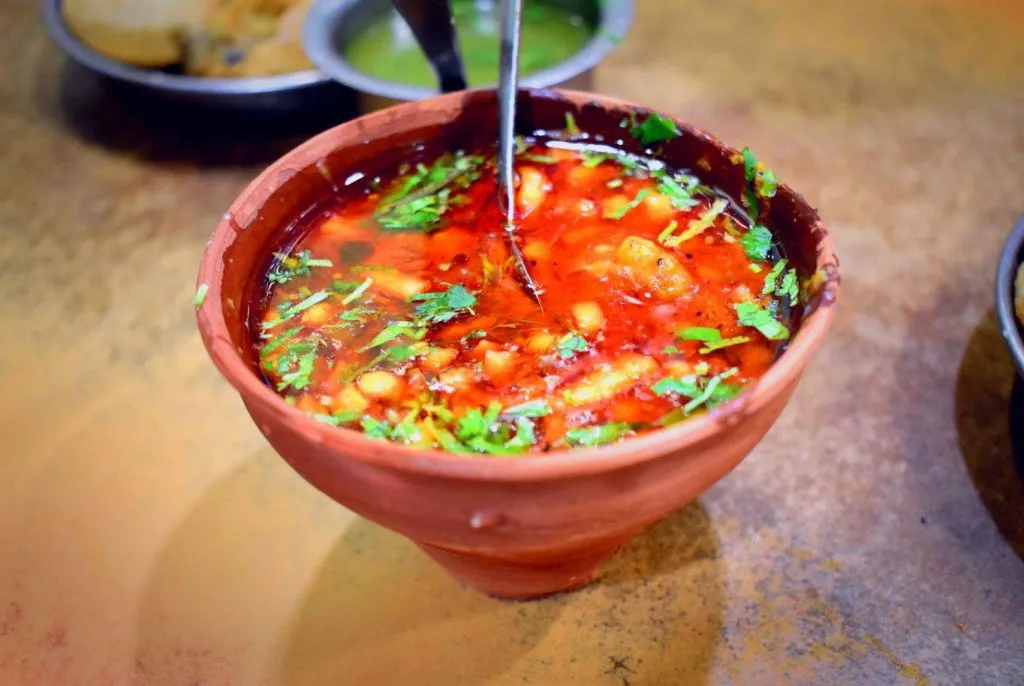
1. Tamatar Chaat – A unique Banarasi specialty made with mashed tomatoes, spices, chutneys, and crispy toppings. Famous at Kashi Chaat Bhandar, it offers a perfect balance of sweet, spicy, and tangy flavors.
2. Palak Chaat – Crispy spinach leaves topped with yogurt, chutneys, and spices. This crunchy and flavorful snack is a favorite among locals and visitors alike. It is famously sold at Kaashi Chaat Bhandar.
3. Malaiyo – A winter delicacy made from saffron-infused milk foam, lightly sweetened and garnished with pistachios. Its airy texture melts instantly in your mouth. Winter mornings around Kachori Gali and Godowlia area, including Malaiyo Shop. Shree Ji Sweets & Milk is extremely famous for serving these.
4. Kachori Sabzi – One of the city’s most beloved breakfasts, featuring crispy kachoris served with spicy potato curry and chutneys. The Ram Bhandar is one of the most iconic and popular spot and have been serving Kachori Sabzi. for decades.
5. Banarasi Paan – Perhaps the city’s most famous culinary symbol, Banarasi Paan is a betel leaf preparation enjoyed after meals and celebrated across India.
6. Lassi – Served in traditional earthen cups, Banarasi lassi is thick, creamy, and often topped with malai for extra richness. The iconic and famous blue lassi shop is best for serving these.
Shopping in Varanasi
Shopping in Varanasi is more than just buying souvenirs—it’s an opportunity to take home a piece of the city’s rich cultural heritage. From world-famous silk sarees and handcrafted wooden toys to traditional jewelry and spiritual items, the markets of Varanasi offer something for every traveler.
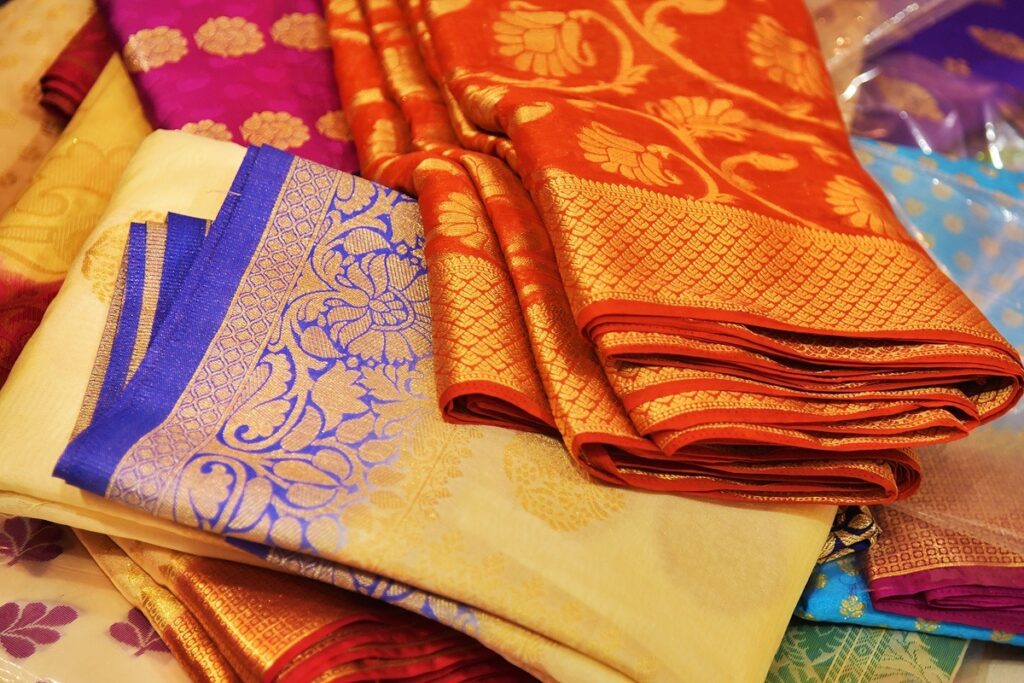
1. Banarasi Silk Sarees – Varanasi is renowned worldwide for its exquisite Banarasi silk sarees, known for their intricate zari work and timeless elegance. These sarees are among the most treasured purchases visitors make in the city.
2. Vishwanath Gali – Located near the Kashi Vishwanath Temple, this bustling lane is one of the best places to shop for religious items, rudraksha beads, idols, souvenirs, sweets, and traditional Banarasi products.
3. Thatheri Bazaar – One of the oldest markets in Varanasi, Thatheri Bazaar is famous for brassware, copper utensils, handcrafted metal products, and traditional household items.
4. Gulabi Meenakari Jewelry – This unique pink enamel jewelry art form originated in Varanasi and is prized for its intricate craftsmanship and vibrant colors.
My Personal Connection to Varanasi
Varanasi is more than just a destination for me it’s home. I was born in Varanasi, and some of my family’s deepest roots are connected to this remarkable city. Because of that, my connection to Varanasi goes beyond its famous landmarks and spiritual significance; it is woven into my own story.
Every time I return to Varanasi, there are a few traditions that I never miss. I make it a point to visit the Kashi Vishwanath Temple, Kaal Bhairav Temple, and Kardameshwar Mahadev Temple to seek blessings and reconnect with the spiritual essence of the city. These visits have become an important part of my connection to Varanasi over the years.
No trip is complete without stopping at Kashi Chaat Bhandar for my favorite Tamatar Chaat. Its unique blend of flavors is something I always look forward to and a taste that instantly reminds me of home.
I also love spending time along the ghats, especially in the evening. Watching the mesmerizing Ganga Aarti and taking a walk beside the Ganges as the city comes alive with lights, prayers, and chants is an experience that never loses its magic, no matter how many times I witness it.
Another tradition I cherish is shopping for Banarasi sarees for my family. These beautifully crafted sarees are more than just garments they represent the artistry, heritage, and timeless traditions that have made Varanasi famous around the world.
What I love most about Varanasi is how it seamlessly blends the ancient with the modern. It is a city where centuries-old rituals continue to thrive alongside everyday life, creating an atmosphere that is both deeply spiritual and endlessly fascinating.
Writing this blog has been a personal journey for me. While I’ve tried to highlight the best places, experiences, and flavors that Varanasi has to offer, no article can fully capture the feeling of being here. To truly understand Varanasi, you have to walk its streets, watch the Ganga Aarti, explore its hidden alleys, and experience its vibrant culture for yourself.
No matter where life takes me, Varanasi will always hold a special place in my heart. It is the city where my story began, and a place I will always be proud to call home.