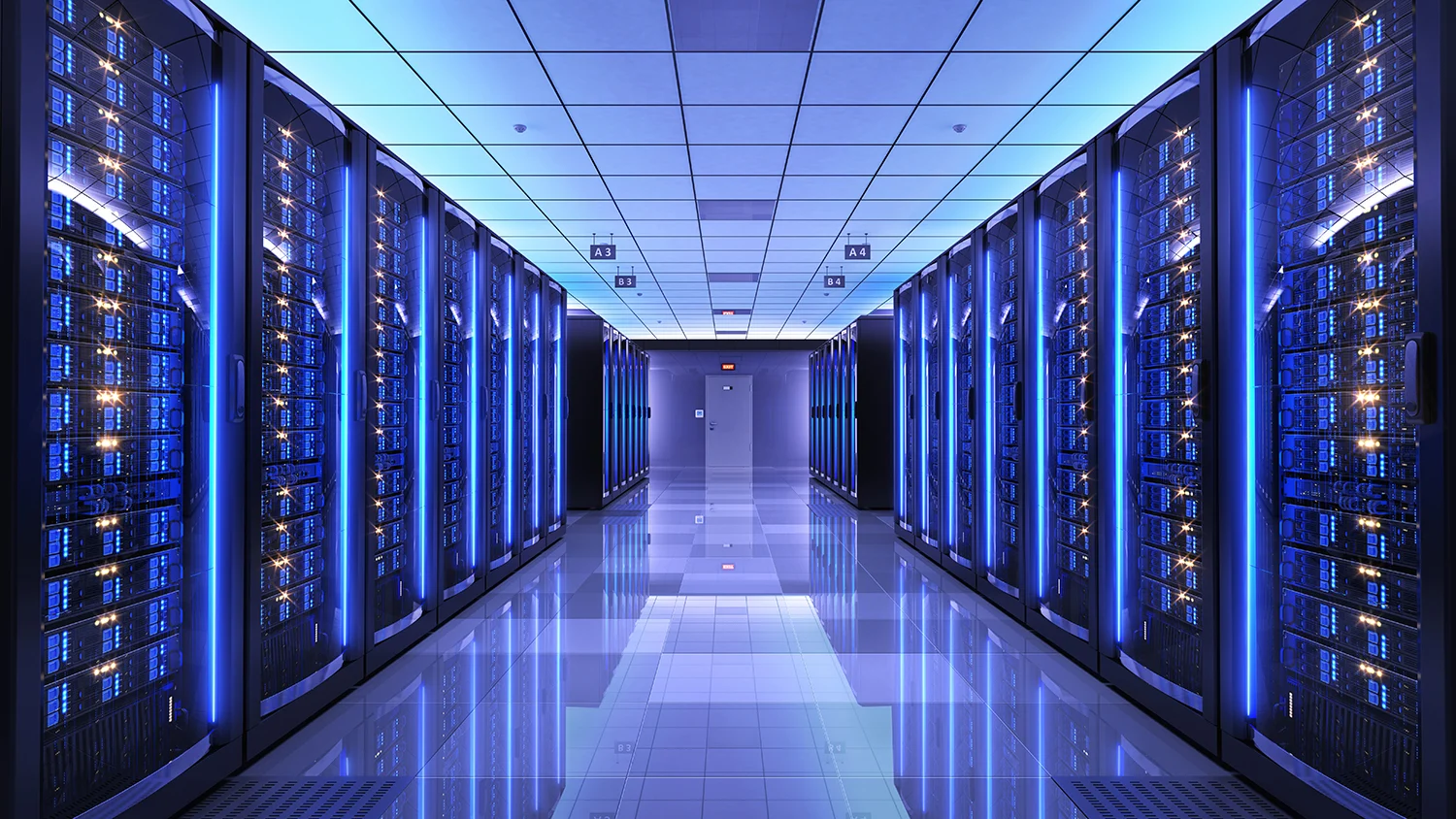
India’s Data Centre Boom: Capacity Jumps 59% as the Nation Eyes 7 GW by 2030
India’s digital infrastructure is expanding at an unprecedented pace. Fueled by surging demand for cloud computing, artificial intelligence, and digital services, the country’s data centre sector recorded a 59% year-on-year increase in new capacity during the first half of 2026, reinforcing India’s position as one of the fastest-growing digital infrastructure markets in the world.
The latest industry estimates suggest this momentum is only beginning, with total operational capacity expected to exceed 7 GW by 2030, nearly four times today’s levels.
A Strong Start to 2026
During the first six months of 2026, India added 258 MW of new IT data centre capacity, a significant jump from the 162 MW added during the same period in 2025.
This growth has pushed the country’s total operational data centre capacity to 1.8 GW, highlighting the rapid expansion taking place across major technology hubs.
The increase reflects rising demand from businesses moving to cloud platforms, growing AI workloads, digital payments, streaming services, and enterprise digital transformation initiatives.
Why India’s Data Centre Market Is Growing So Quickly
Several factors are accelerating investment across the sector:
Rapid adoption of artificial intelligence and machine learning.
Expansion of cloud computing services.
Rising demand for digital storage and processing.
Increased investments from domestic and international technology companies.
Government initiatives supporting India’s digital economy.
Global hyperscale cloud providers continue to invest heavily in India’s infrastructure as demand for computing power continues to rise.
Capacity Could Cross 7 GW by 2030
Industry forecasts suggest India’s data centre market is entering a long-term growth cycle.
If current investment trends continue, operational capacity could surpass 7 GW by 2030, making India one of Asia’s most important digital infrastructure hubs.
Despite the optimistic outlook, developers still face challenges, including:
Securing reliable power supplies.
Acquiring suitable land in major cities.
Improving grid infrastructure.
Meeting sustainability and energy-efficiency goals.
Addressing these issues will be crucial to maintaining the industry’s rapid growth.
Hyperscalers Continue to Lead Demand
Large cloud providers remain the biggest drivers of India’s expanding data centre ecosystem.
According to industry estimates:
36% of operational capacity is dedicated to hyperscale operators.
8% serves enterprise-focused facilities.
1% consists of edge data centres.
The remaining 55% supports mixed-use facilities serving both hyperscale and enterprise customers.
This balanced ecosystem reflects the growing diversity of India’s digital economy, where businesses of all sizes increasingly rely on cloud-based infrastructure.
Why This Matters for India’s Tech Future
The rapid expansion of data centres goes beyond simply adding more server space.
Modern data centres form the backbone of:
Artificial intelligence platforms.
Cloud computing services.
Online banking and fintech.
E-commerce.
Video streaming.
Government digital services.
Future 5G and edge computing networks.
As India continues its digital transformation, robust data infrastructure will play a critical role in supporting innovation, economic growth, and global technology investment.
Geeksterr’s Take
India’s data centre industry is entering a defining decade. With AI adoption accelerating and cloud demand reaching new highs, the country’s infrastructure is expanding faster than ever before. While challenges around power, land, and sustainability remain, the projected leap to more than 7 GW by 2030 signals India’s growing importance in the global technology ecosystem. If investments continue at the current pace, India is well on its way to becoming one of the world’s leading digital infrastructure destinations.