India’s Nightshade ADX-1: How Apollyon Dynamics Is Building a New Generation of Indigenous Strike Drones
India’s defence technology ecosystem is evolving rapidly, with startups now playing a key role in developing advanced military systems. Among the newest names drawing attention is Apollyon Dynamics, a Hyderabad-based defence startup that is developing the Nightshade ADX-1, an indigenous autonomous strike drone designed for high-speed precision missions.
While the drone has often been compared to Iran’s Shahed series because of its role as a loitering munition, the Nightshade ADX-1 is built around a different design philosophy. Instead of focusing solely on long-range endurance, it emphasizes speed, survivability, and autonomous operations in highly contested environments.
From Student Project to Defence Startup
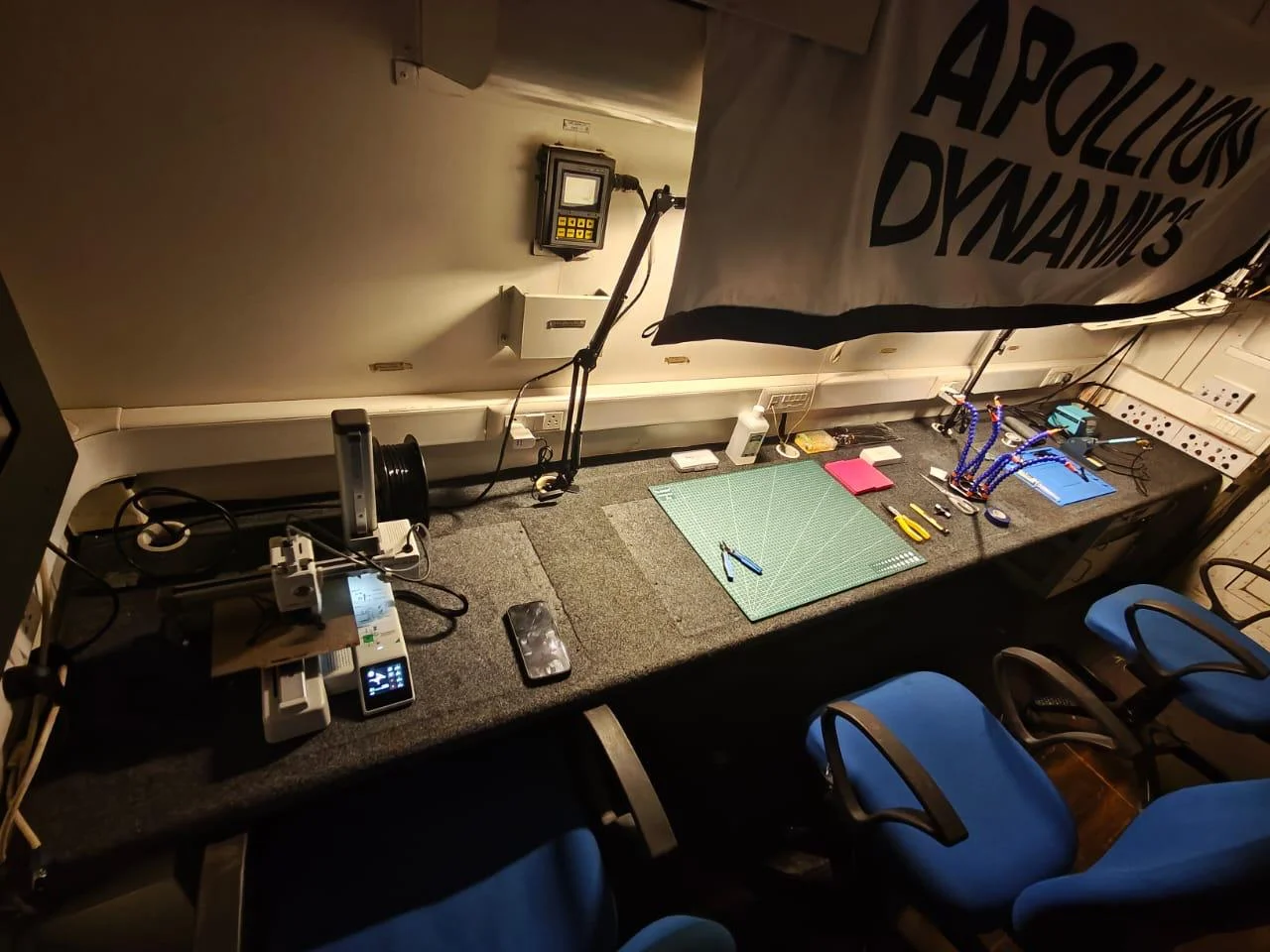
Apollyon Dynamics began its journey in June 2025 as a small engineering project led by founders Jayant Khatri and Sourya Choudhury. Incubated at BITS Pilani Hyderabad, the company initially experimented with high-performance racing drones before shifting its focus to defence technology.
Within a short span, the startup transformed into a defence contractor working on autonomous strike systems and advanced unmanned aerial vehicles (UAVs). The company’s philosophy, “Precision is Mercy,” reflects its goal of using precision technology to reduce unnecessary human exposure in conflict zones.
What Makes the Nightshade ADX-1 Different?
The Nightshade ADX-1 is a jet-powered loitering munition engineered for rapid strike missions. Unlike conventional propeller-driven drones, it uses turbojet propulsion, allowing it to achieve significantly higher speeds.
Some of its reported capabilities include:
Maximum speed of 700 km/h
Operational range exceeding 100 kilometres
Approximate maximum take-off weight of 70 kilograms
Autonomous flight with terrain-following capability
Vehicle-based launch system for rapid deployment
Modular payload architecture for mission flexibility
GPS-denied inertial navigation system
Designed to operate in electronically jammed environments
Optimized for radar evasion and rapid target penetration
These specifications are intended to make the platform suitable for missions where slower UAVs may be vulnerable to interception.
Built for Modern Battlefield Conditions
One of the Nightshade ADX-1’s defining features is its ability to function even when traditional navigation signals are unavailable.
Modern conflicts increasingly involve electronic warfare, where GPS signals and communication networks can be disrupted. To overcome this challenge, the ADX-1 reportedly relies on an Inertial Navigation System (INS) combined with autonomous terrain-following technology, enabling it to continue its mission without depending entirely on satellite navigation.
This capability could improve mission reliability in heavily contested operational environments.
Mobility as a Strategic Advantage
Unlike drones that require dedicated launch infrastructure, the Nightshade ADX-1 is designed to be launched directly from a moving vehicle.
This approach offers several tactical benefits:
Faster deployment during combat operations
Greater operational flexibility
Reduced setup time
Improved survivability by allowing launch platforms to relocate quickly
The mobile launch concept enables rapid response while making it more difficult for adversaries to locate launch positions.
Strengthening India’s Defence Manufacturing
India has been encouraging domestic defence innovation through initiatives aimed at increasing indigenous manufacturing and reducing dependence on imported military equipment.
Startups like Apollyon Dynamics demonstrate how private companies are contributing alongside established defence organizations by developing specialized unmanned systems tailored for future warfare.
If successfully tested and inducted, platforms such as the Nightshade ADX-1 could become part of India’s growing portfolio of homegrown autonomous defence technologies.
Why the Nightshade ADX-1 Matters
The emergence of high-speed autonomous strike drones represents an important shift in military technology. Speed, electronic resilience, autonomous navigation, and rapid deployment are becoming increasingly valuable characteristics for modern unmanned systems.
Although the Nightshade ADX-1 is still an emerging platform, it highlights the growing capability of India’s defence startup ecosystem to design sophisticated indigenous technologies. As autonomous warfare continues to evolve, innovations like these could play an increasingly significant role in shaping the future of India’s defence preparedness.
Geeksterr’s Take
The rise of Indian defence startups shows that innovation is no longer limited to large government organizations. Projects like the Nightshade ADX-1 reflect the country’s expanding expertise in autonomous systems, advanced propulsion, and battlefield technologies. While the platform’s real-world performance will ultimately depend on operational testing and deployment, it stands as an example of how India’s next generation of defence innovators is pushing the boundaries of indigenous military technology.