Personalized mRNA Cancer Vaccine Hits Major Milestone in Fight Against Melanoma
Cancer treatment could be entering a fascinating new chapter as Moderna and Merck’s personalized mRNA therapy has achieved a major milestone in a Phase 3 clinical trial for high-risk melanoma.
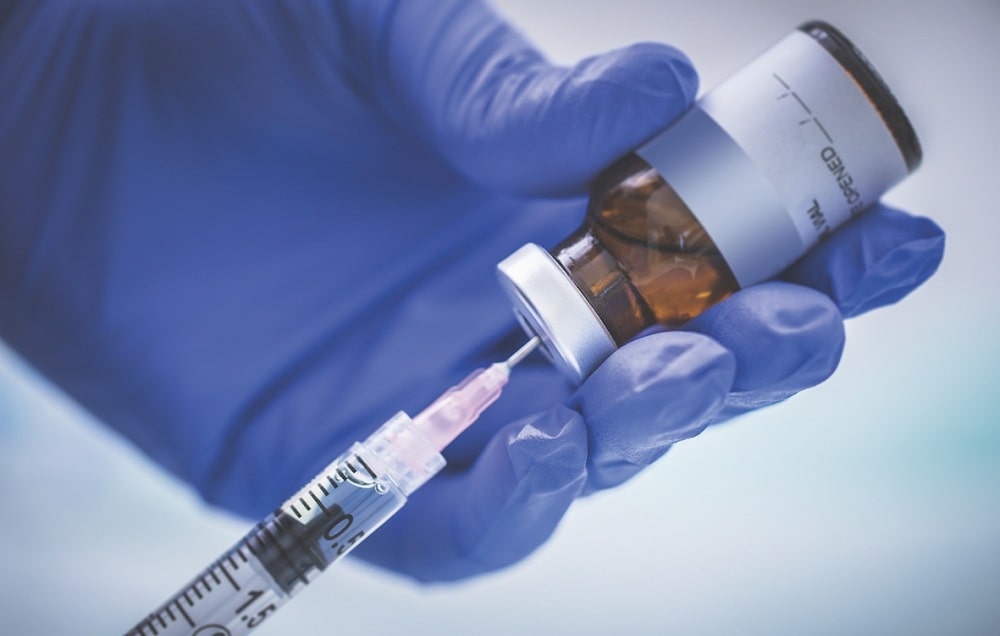
The experimental treatment, known as intismeran autogene (mRNA-4157/V940), is designed specifically around the biological characteristics of an individual patient’s tumor. In the latest Phase 3 INTerpath-001 trial, the treatment was tested alongside Merck’s immunotherapy Keytruda (pembrolizumab) in patients whose high-risk melanoma had been surgically removed.
According to Moderna and Merck, the combination achieved statistically significant and clinically meaningful improvements in recurrence-free survival and distant metastasis-free survival compared with Keytruda alone.
A Cancer Treatment Made Specifically for the Patient
What makes this approach particularly interesting is that this isn’t a conventional vaccine designed to prevent a disease before someone develops it.
Instead, intismeran is an individualized cancer treatment.
Doctors can analyze a patient’s tumor to identify mutations that are unique to their cancer. These mutations can produce abnormal proteins called neoantigens, which can act as recognizable markers for the immune system.
The patient’s tumor information is then used to create an mRNA treatment designed around those specific targets.
Once administered, the treatment essentially helps train the immune system to recognize the cancer-related targets and attack cells carrying them.
That personalized approach is what makes the technology so different from traditional cancer treatments.
The Phase 3 Trial Included More Than 1,100 Patients
The latest results came from the INTerpath-001 Phase 3 trial, which enrolled 1,137 patients with high-risk melanoma that had been completely surgically removed.
Participants received either the personalized mRNA treatment in combination with Keytruda or Keytruda alone.
The companies announced that the combination met its primary endpoint of recurrence-free survival and also achieved a statistically significant and clinically meaningful result for distant metastasis-free survival. No new safety concerns were identified in the trial.
However, there is an important caveat: the companies have not yet released the complete numerical Phase 3 dataset. More detailed results are expected to be presented at a future medical meeting.
That means the announcement is extremely encouraging, but it is too early to describe the treatment as a proven cure for cancer.
Earlier Results Already Created Excitement
The latest Phase 3 development builds on earlier results that had already attracted considerable attention.
In the earlier Phase 2b KEYNOTE-942 study, patients receiving mRNA-4157/V940 alongside Keytruda experienced a 49% reduction in the risk of recurrence or death and a 59% reduction in the risk of distant metastasis or death after approximately five years of follow-up, compared with Keytruda alone.
Those results provided an important foundation for the larger Phase 3 study.
The latest announcement therefore isn’t the first sign that personalized mRNA cancer treatments might work. Instead, it represents a significant step toward determining whether those earlier findings can be reproduced in a much larger patient population.
Why Melanoma Is an Important Test Case
Melanoma is an especially interesting cancer for personalized immunotherapy because many melanomas contain numerous genetic mutations.
Those mutations can create neoantigens that potentially give the immune system identifiable targets.
Keytruda already works by helping the immune system attack cancer. The idea behind combining it with a personalized mRNA treatment is to potentially give the immune system an additional, highly specific set of targets.
The goal is particularly important after surgery, when visible cancer has been removed but microscopic cancer cells may still remain and potentially cause the disease to return.
This Could Be Bigger Than Melanoma
The potential importance of the technology extends beyond skin cancer.
Moderna and Merck are investigating intismeran and related approaches across multiple cancer types, including non-small cell lung cancer, bladder cancer and renal cell carcinoma. The companies have several Phase 2 and Phase 3 studies underway.
If personalized mRNA treatments continue to demonstrate meaningful benefits across different cancers, the technology could eventually become part of a broader strategy for treating solid tumors.
But that outcome is far from guaranteed.
Different cancers behave differently, and a treatment that works well for melanoma may not necessarily produce the same results in other tumor types.
How Is This Different From a Traditional Vaccine?
The word “vaccine” can sometimes make the technology sound simpler than it actually is.
Traditional vaccines are generally designed to prepare the immune system before an infectious disease occurs.
A personalized cancer vaccine, by contrast, is designed around a patient’s existing cancer and its specific molecular characteristics.
In this case, the objective is to help the immune system recognize cancer-specific targets and potentially eliminate residual cancer cells after surgery.
It is therefore better understood as a personalized immunotherapy rather than a universal cancer vaccine that could be given to everyone.
Is the Cancer Vaccine Available Yet?
No.
Intismeran remains an investigational treatment and has not been established as a generally available cancer therapy.
The companies are now expected to discuss the Phase 3 findings with regulatory authorities. Detailed results from the latest trial will also be important before regulators can fully assess the treatment’s benefits and risks.
So while headlines describing a “cancer vaccine breakthrough” are understandable, patients should not interpret the announcement as meaning that a universally available cancer vaccine now exists.
The Bigger Picture
The significance of this development goes beyond one drug or one company.
mRNA technology became globally famous because of COVID-19 vaccines, but scientists have spent years investigating whether the same basic technology could be adapted to much more complicated diseases.
Cancer may ultimately prove to be one of its most ambitious applications.
Instead of creating one treatment intended for millions of people, personalized mRNA technology attempts to use a patient’s own tumor information to design a treatment specifically for them.
That is a fundamentally different way of thinking about cancer therapy.
The Geeksterr Take
This is an exciting milestone, but it is not the “cure for cancer” just yet.
The Phase 3 results from Moderna and Merck are significant because they provide further evidence that personalized mRNA technology can potentially help the immune system keep high-risk melanoma from returning or spreading after surgery. The size of the latest trial also makes the development particularly noteworthy.
The next major step will be seeing the full Phase 3 data, including detailed efficacy and safety results.
If those results withstand further scientific and regulatory scrutiny, personalized mRNA cancer treatments could become an important new weapon against melanoma — and potentially pave the way for similar strategies against other cancers.
For now, the breakthrough is best viewed not as the end of the cancer fight, but as a promising new direction in how doctors may fight the disease in the future.