L&T’s Chennai AI Factory: India’s Next Giant Leap Into the Age of Artificial Intelligence
A 10,000-GPU NVIDIA B300 AI Factory in Chennai is set to give India a major boost in large-scale computing, as Larsen & Toubro expands from traditional infrastructure into the rapidly growing AI economy.
India’s artificial intelligence ambitions are entering a new phase — and Chennai is emerging as one of the important centres of that transformation.
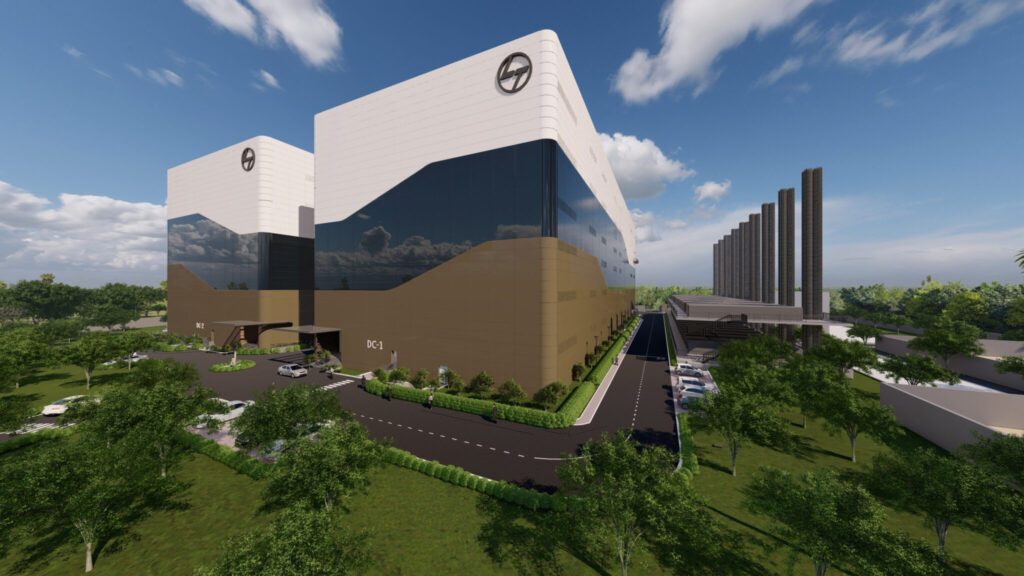
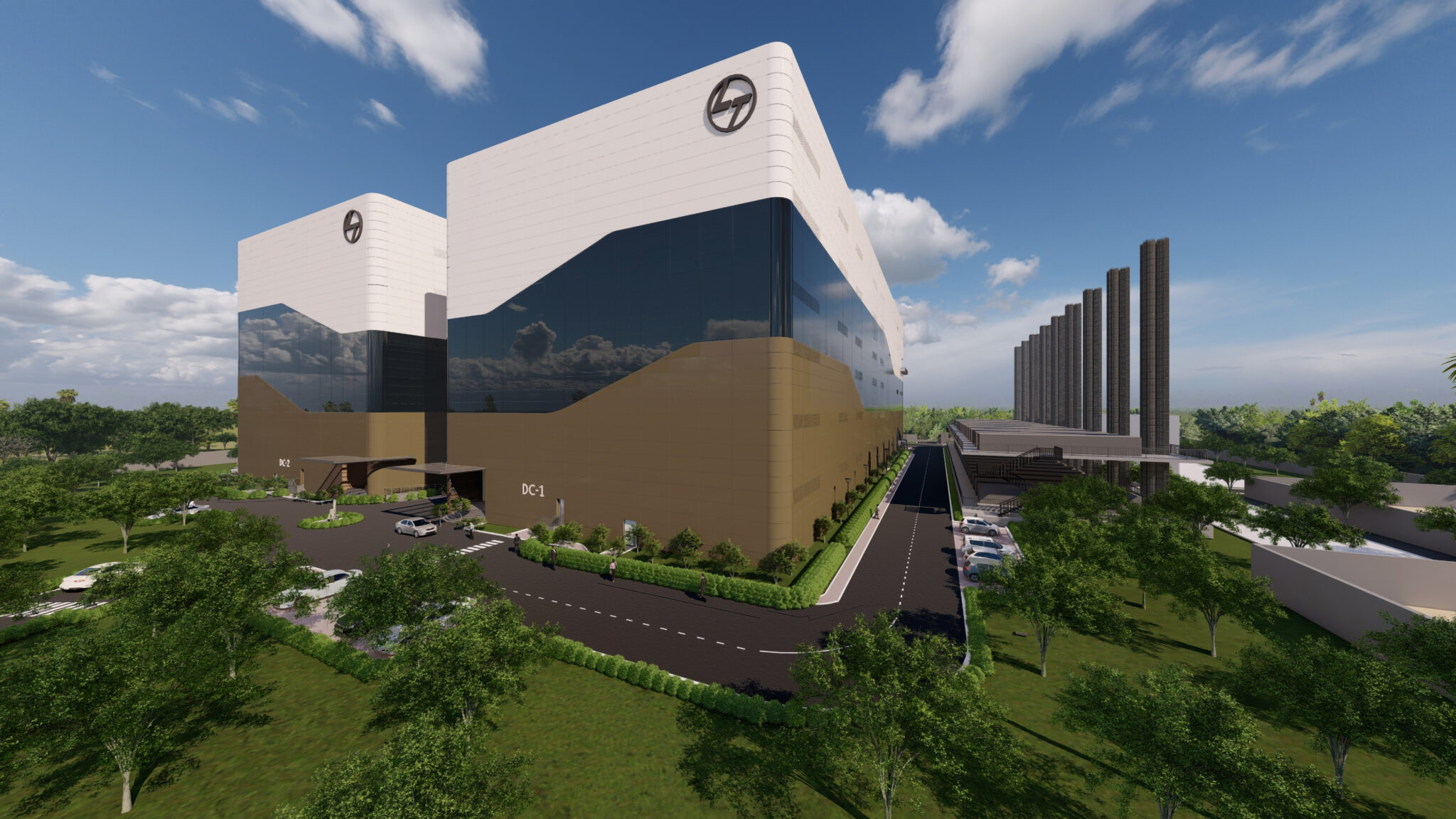
Larsen & Toubro (L&T), through its AI infrastructure businesses Vyoma.AI and LTN Compute, has secured a mega order to establish an NVIDIA B300-based AI Factory at its Chennai data centre campus. The facility is planned with capacity for 10,000 NVIDIA B300 GPUs, making it India’s largest single-cluster AI infrastructure deployment announced by the company.
The project is being developed as part of a strategic partnership with Together AI, a US-based AI cloud company whose platform is designed to support large-scale AI training, inference and fine-tuning.
Chennai Is Becoming an AI Infrastructure Powerhouse
The AI Factory will be hosted at Vyoma.AI’s large-scale data centre campus in Chennai.
The campus has been designed as a gigawatt-scale AI infrastructure site, with its first phase planned for 250 MW and power infrastructure readiness of 150 MVA. This provides room for the AI facility to expand as demand for high-performance computing increases.
That scale is important because modern AI systems require far more than conventional computing facilities.
Training and running advanced AI models requires enormous amounts of computing power, high-speed networking, specialised storage and substantial electrical and cooling infrastructure. The Chennai facility is being designed around all of these requirements.
What Exactly Is an AI Factory?
Despite the name, this isn’t a traditional manufacturing plant.
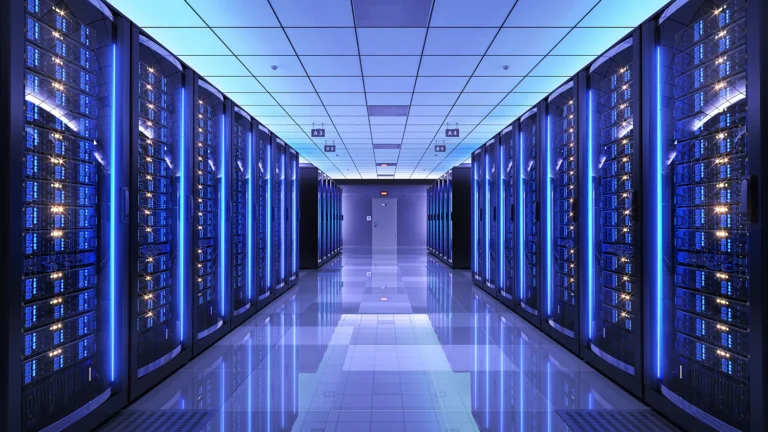
An AI Factory is essentially a highly specialised computing environment built to produce AI capabilities at scale.
Instead of manufacturing physical products, it processes enormous amounts of data and computing workloads. The Chennai facility will bring together NVIDIA GPUs, accelerated computing infrastructure, high-performance networking, ultra-low-latency interconnects, high-throughput storage and specialised AI infrastructure operations.
Together, these components allow AI developers and enterprises to train models, fine-tune existing models and run AI applications at scale.
In simple terms, the project is designed to provide the computing “engine” required to power the next generation of artificial intelligence.
10,000 NVIDIA B300 GPUs Under One Roof
At the centre of the project will be 10,000 NVIDIA B300 GPUs.
These processors are designed for demanding AI workloads and are significantly different from the graphics hardware found in ordinary consumer computers. Large clusters of such accelerators can work together to handle computationally intensive AI training and inference.
Putting 10,000 of them into a single infrastructure deployment highlights the enormous scale of the project.
It also demonstrates how the AI race is increasingly becoming an infrastructure race.
The companies that can provide enough GPUs, electricity, cooling, networking and storage will be better positioned to support the next generation of AI applications.
A ₹10,000–15,000 Crore “Mega” Order
L&T has classified the contract as a “Mega Order.” Under the company’s order classification, this category covers contracts valued between ₹10,000 crore and ₹15,000 crore. The exact value of this particular contract has not been publicly disclosed by L&T.
Reuters reported that the order could be worth up to ₹150 billion, or approximately $1.57 billion based on the exchange rate cited in its report.
The size of the project underlines how quickly AI infrastructure is becoming a major investment category alongside conventional data centres, telecommunications and other digital infrastructure.
Together AI Becomes a Key Partner
The Chennai AI Factory is being developed for Together AI, a US-based AI cloud company.
Together AI provides infrastructure and cloud services aimed at helping organisations train, fine-tune and deploy AI models. Its partnership with L&T brings together two very different strengths: L&T’s large-scale engineering and infrastructure capabilities and Together AI’s focus on AI computing.
The resulting platform is intended to support large-scale AI workloads through a combination of computing, networking, storage and data-centre infrastructure.
Why This Matters for India
The importance of the Chennai project goes beyond the number of GPUs.
India’s AI ambitions require domestic access to powerful computing infrastructure. While Indian companies and researchers can use overseas cloud infrastructure, building significant AI capacity within the country can provide advantages in areas such as latency, data control, enterprise deployment and strategic computing capacity.
L&T has previously announced plans with NVIDIA to develop gigawatt-scale AI infrastructure in India, including expanding GPU deployment at its Chennai data-centre campus. The company has described the broader initiative as part of its effort to establish India as a global AI infrastructure hub.
The new Together AI project therefore fits into a much larger push toward building AI-ready infrastructure inside India.
L&T Is Entering a New Technology Era
For L&T, the development represents more than another large infrastructure contract.
The company has historically been associated with engineering, construction, heavy infrastructure and industrial projects. Its increasing focus on data centres, cloud platforms and AI infrastructure signals a significant expansion into the digital economy.
Through Vyoma.AI and LTN Compute, L&T is positioning itself across areas including hyperscale data centres, sovereign cloud platforms, GPU-as-a-Service and AI Factory infrastructure.
This could allow the company to participate directly in one of the fastest-growing infrastructure markets of the coming decade.
The Bigger Picture
Artificial intelligence is increasingly being viewed not simply as software, but as an infrastructure challenge.
Every new generation of AI models requires more computing power. More computing requires more GPUs. More GPUs require more electricity, cooling, networking and data-centre capacity.
That creates an enormous infrastructure ecosystem around AI.
The Chennai project is therefore significant not merely because it will contain 10,000 GPUs, but because it represents India’s attempt to build the physical foundation required for the next era of computing.
And if India’s AI ambitions continue to accelerate, facilities like this could become as strategically important to the digital economy as ports, highways and power plants are to the physical economy.
Chennai’s Next Chapter Could Be Powered by AI
The city has long been one of India’s major technology and industrial centres. With large-scale data-centre and AI infrastructure investments now expanding across the region, Chennai could increasingly become an important node in India’s digital infrastructure map.
L&T’s 10,000-GPU AI Factory is still part of a broader development story, but its scale sends a clear message:
India is no longer preparing only to consume artificial intelligence. It is building the infrastructure needed to produce, train and deploy it at scale.
And in that transformation, Chennai could be one of the places where India’s AI future begins to take physical form.
Project at a glance
– Location: Chennai, Tamil Nadu
– Developer/Infrastructure: L&T through Vyoma.AI and LTN Compute
– AI partner: Together AI
– Accelerators: 10,000 NVIDIA B300 GPUs
– Facility: AI Factory
– Campus scale: Gigawatt-scale
– Phase 1 design: 250 MW
– Power infrastructure readiness: 150 MVA
– Order classification: Mega Order
– Reported order range under L&T’s classification: ₹10,000–15,000 crore
– Primary workloads: AI training, inference and fine-tuning
Source note: This article is independently written for this website. Project specifications are based primarily on L&T’s official announcement and corroborating reporting. The exact contract value and final implementation details may change as the project progresses.