Google Pixel 11 Officially Arrives: Google’s New Flagship Takes a Bigger Step Forward
Google has officially unveiled the Pixel 11, bringing a new generation of hardware, AI features and software support to its flagship smartphone lineup. The standard Pixel 11 starts at $899 and arrives alongside the Pixel 11 Pro, Pixel 11 Pro XL and Pixel 11 Pro Fold.
While Google isn’t completely reinventing the Pixel formula this year, the Pixel 11 focuses on refining what made previous generations popular while introducing its latest Tensor processor and a deeper integration of Google’s AI ecosystem.
A Familiar Pixel Design With a Fresh Look
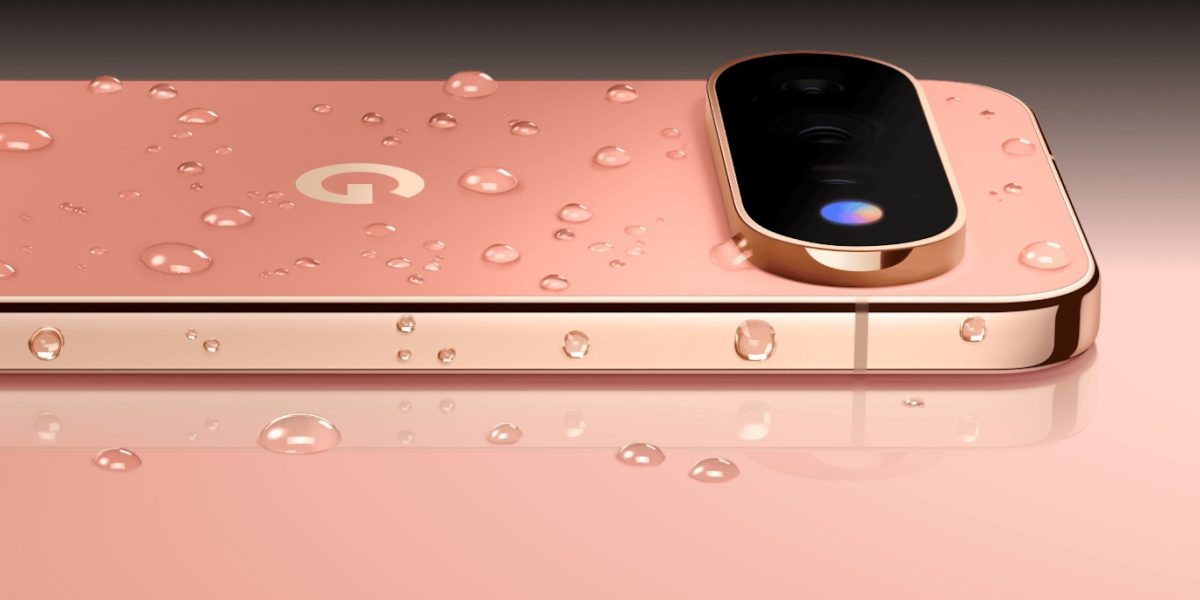
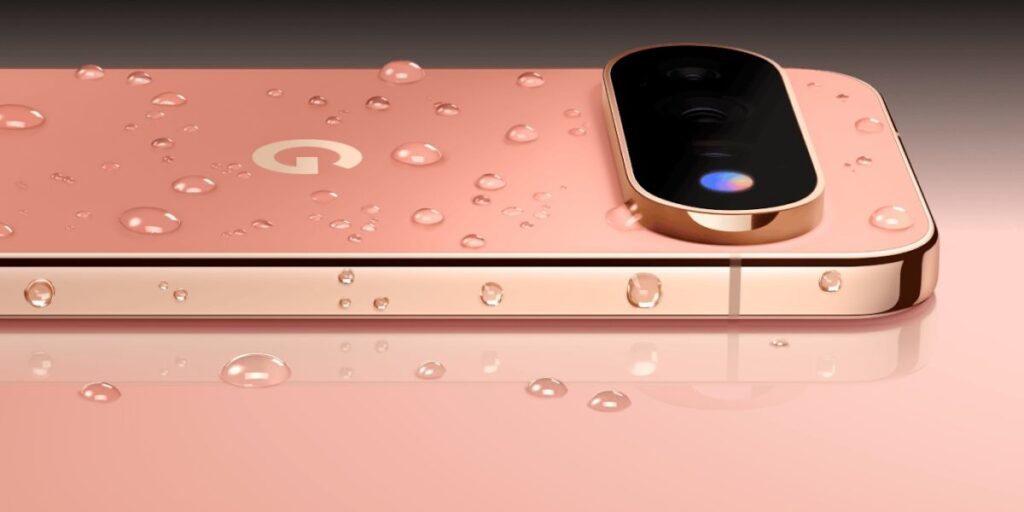
At first glance, the Pixel 11 continues Google’s recognizable camera-bar design. The rear panel keeps the clean Pixel aesthetic, while Google has introduced new color options that give the phone a more distinctive personality.
The standard Pixel 11 is built around a 6.3-inch display with a 120Hz refresh rate, giving users smoother scrolling, animations and gaming compared with conventional 60Hz panels.
Google’s design strategy appears to be about evolution rather than a dramatic redesign. The result is a phone that still looks unmistakably like a Pixel while receiving subtle hardware refinements.
Tensor G6 Powers the Pixel 11
One of the biggest changes is hidden inside the phone.
The Pixel 11 is powered by Google’s new Tensor G6 processor. Google continues to design its own Tensor chips around AI, photography and everyday smartphone experiences rather than simply chasing benchmark numbers.
According to reporting around the launch, Tensor G6 delivers performance improvements of up to around 25% in the Pixel 11 generation while also enabling new AI capabilities.
For Pixel users, the processor’s importance goes beyond speed. Google’s strategy is to make AI a central part of the phone, allowing Gemini and other intelligent features to work more deeply across the operating system.
Camera Improvements Remain a Major Focus
Photography continues to be one of the main reasons people choose Pixel smartphones.
The standard Pixel 11 features an upgraded camera system built around a 48MP main sensor, with Google’s computational photography doing much of the heavy lifting.
Google has also introduced new photography and video tools across the Pixel 11 family. Features such as Magic Capture and customizable Camera Looks are designed to give users more creative control, while the Pro models receive even more advanced video capabilities.
This means the Pixel 11 isn’t simply about putting higher-resolution sensors into a phone. Google’s bigger advantage remains the combination of camera hardware, image processing and AI.
A Larger Battery for Longer Use
Battery life is another area where Google has pushed the standard Pixel 11 forward.
The phone is equipped with a battery rated at roughly 4,985mAh, according to the specifications highlighted with the launch. That gives the Pixel 11 considerably more capacity to work with than some earlier standard Pixel models.
Combined with Google’s Tensor G6 efficiency improvements, the larger battery should help the Pixel 11 handle demanding everyday use without constantly searching for a charger.
Seven Years of Software Support
One of the Pixel 11’s biggest long-term advantages is Google’s commitment to extended software support.
The company continues to emphasize seven years of updates for its Pixel phones, giving buyers a much longer software lifespan than many Android smartphones. Google’s own Pixel Store messaging highlights seven years of updates alongside regular Pixel Drops.
For someone planning to keep a smartphone for several years, this could be just as important as the processor or camera.
Instead of replacing the phone every two or three years simply to remain supported, Pixel 11 owners can expect a much longer official software lifecycle.
Gemini Becomes Even More Important
Google’s Pixel strategy is increasingly tied to Gemini.
The company is positioning Pixel as an AI-first smartphone, with Gemini integrated into the experience to help users complete tasks, search for information and interact with their device more naturally.
The Pixel 11 generation also brings additional AI-powered capabilities across Google’s hardware ecosystem, including improved media translation and smarter photography tools.
This could ultimately become the biggest difference between Pixel and competing Android flagships. Google isn’t just selling a phone; it is trying to sell an AI-powered Android experience built around its own services.
Pixel 11 Price and Availability
The standard Google Pixel 11 starts at $899, making it more expensive than previous generations’ entry points. Google has also increased the pricing of several models across the Pixel 11 lineup.
Google’s official store began taking Pixel 11 pre-orders on August 12, following the Made by Google event.
For buyers in India, Google is also promoting the Pixel 11 series through its official Google Store India platform.
Is the Pixel 11 a Major Upgrade?
The Pixel 11 isn’t trying to completely redefine the smartphone.
Instead, Google has taken the Pixel formula and strengthened several of its most important elements: a smooth display, improved cameras, a new Tensor processor, a larger battery, deeper AI integration and years of software support.
The biggest question is therefore not whether the Pixel 11 is powerful enough. It clearly is.
The real question is whether the $899 starting price makes enough sense when compared with other flagship smartphones competing for the same buyers.
Geeksterr Take
The Pixel 11 looks like Google’s most complete standard Pixel yet.
The combination of Tensor G6, a 120Hz 6.3-inch display, a 48MP main camera, nearly 5,000mAh of battery capacity and seven years of software support gives the phone a strong foundation.
But its biggest selling point may ultimately be the software. Google is increasingly making the Pixel experience about what the phone can do with AI rather than simply how powerful its specifications look on paper.
For Pixel fans, the Pixel 11 is a natural upgrade. For everyone else, Google’s challenge will be convincing buyers that its smarter software experience is worth the premium.
And that could be where the Pixel 11’s real battle begins.